world

Trump Administration Builds Global Coalition to Reopen Strait of Hormuz

The Trump administration is quietly reaching out to allied nations, looking to pull together an international coalition aimed at restoring safe passage through the Strait of Hormuz. The effort, rooted in a State Department directive approved by Secretary of State Marco Rubio, centers on a new joint initiative called the Maritime Freedom Construct or MFC — developed in coordination with the Pentagon and dated April 28.

By Kamil Wrona | Last Updated: 30 Apr 2026
What the Maritime Freedom Construct Actually Does
The MFC is designed with two clear lanes of responsibility. The State Department side handles diplomacy, acting as the bridge between partner nations and the global shipping industry. Meanwhile, the Pentagon's arm, operating out of CENTCOM headquarters in Florida, focuses on real-time coordination of maritime traffic and direct communication with ships passing through the Strait. Together, the framework is described as "a critical first step" in building a long-term maritime security structure for the Middle East — one that protects energy supply lines and upholds navigational rights in some of the world's most strategically vital waters.

U.S. embassies were directed to deliver the proposal verbally to partner governments by May 1. Notably, the outreach excludes Russia, China, Belarus, Cuba, and other nations considered adversarial to Washington. Countries interested in joining can contribute in various ways — through diplomacy, intelligence sharing, sanctions enforcement, or naval presence. The U.S. made clear it is not asking partners to pull resources away from existing regional commitments.

The Bigger Picture: Hormuz at a Standstill
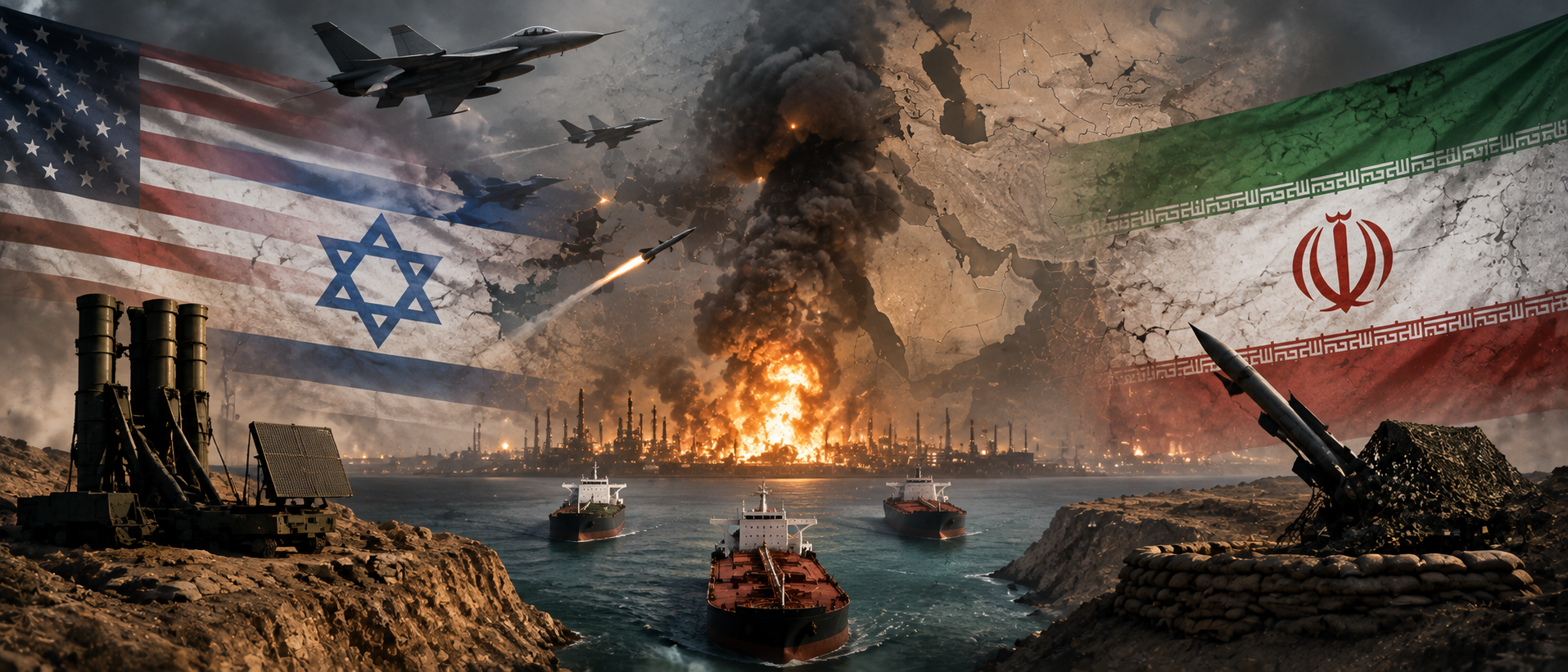
The urgency behind the MFC is hard to miss. The Strait of Hormuz once carried roughly one-fifth of the world's oil and gas supply. Since the U.S. and Israel launched strikes against Iran on February 28, and Tehran responded by blockading the waterway, traffic through the strait has slowed dramatically. Broader diplomatic efforts to resolve the standoff have stalled, and the U.S. has separately moved to squeeze Iran's oil exports through a naval blockade of Iranian ports. The MFC, officials stressed, runs parallel to, and is separate from, both the Maximum Pressure campaign and any ongoing negotiations with Tehran.

Related Posts

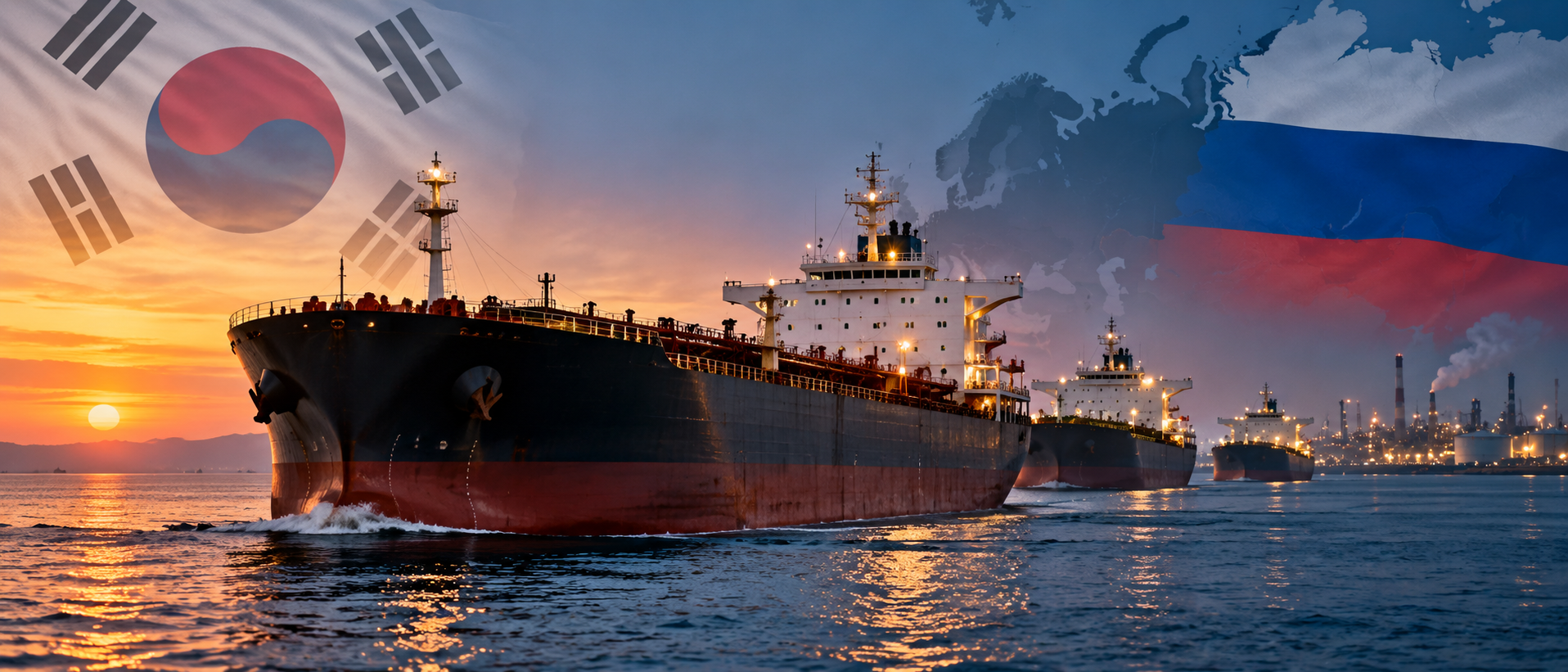
Sanctioned Tankers Carry 150,000 Tons of Fuel to Russia

Sanctioned Tankers Carry 150,000 Tons of Fuel to Russia

Tankers under sanctions are believed to have moved more than 150,000 tons of fuel from South Korea to Russia's Far East in July and August. The findings come from an analysis of port records and ship-tracking data. Seven vessels made 14 voyages, and most of what they carried was diesel. Three of the ships are under UK and EU sanctions.

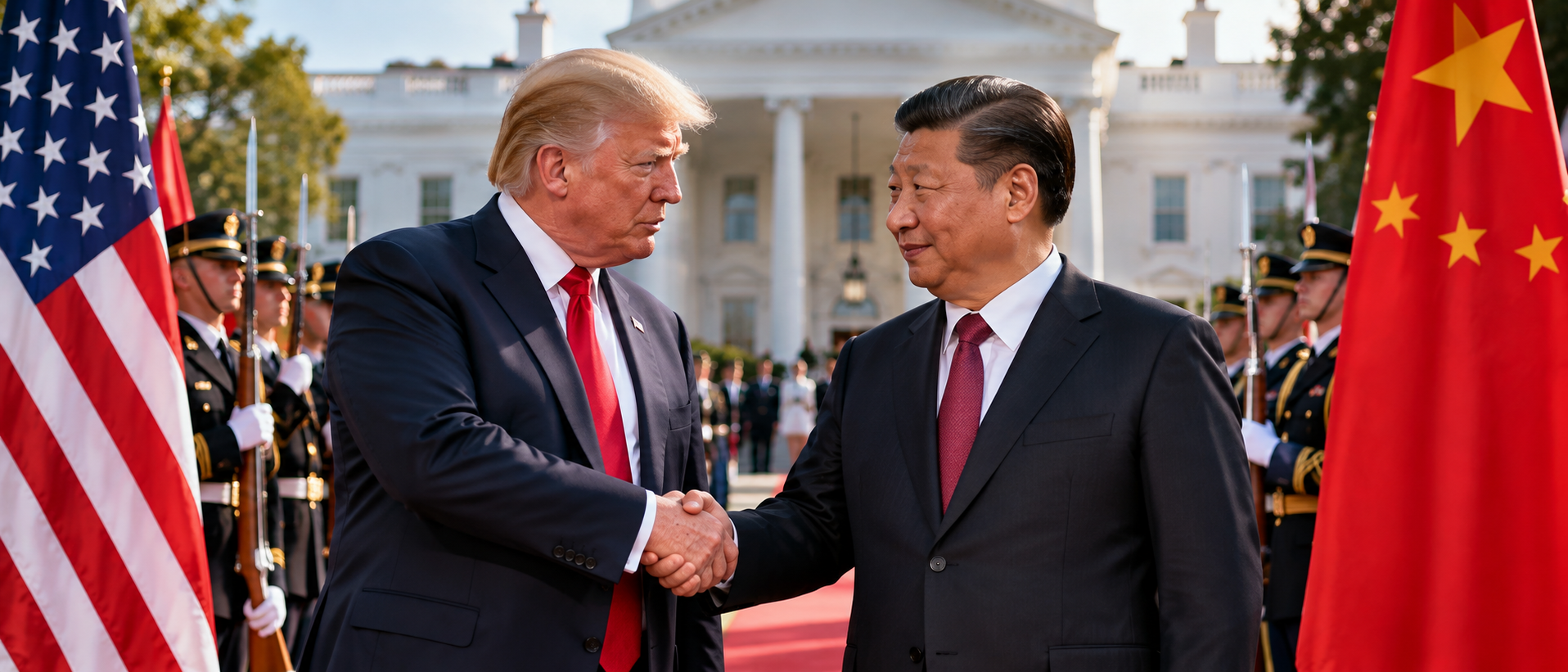
Trump Hosts Xi With Pomp, Yet No Breakthroughs

Trump Hosts Xi With Pomp, Yet No Breakthroughs

President Donald Trump hosted Chinese President Xi Jinping at the White House on Thursday for a grand summit that delivered plenty of pageantry but little in terms of concrete progress. Major sticking points, including artificial intelligence, trade tensions, Taiwan, and the ongoing conflict involving Iran, remained without any clear resolution.

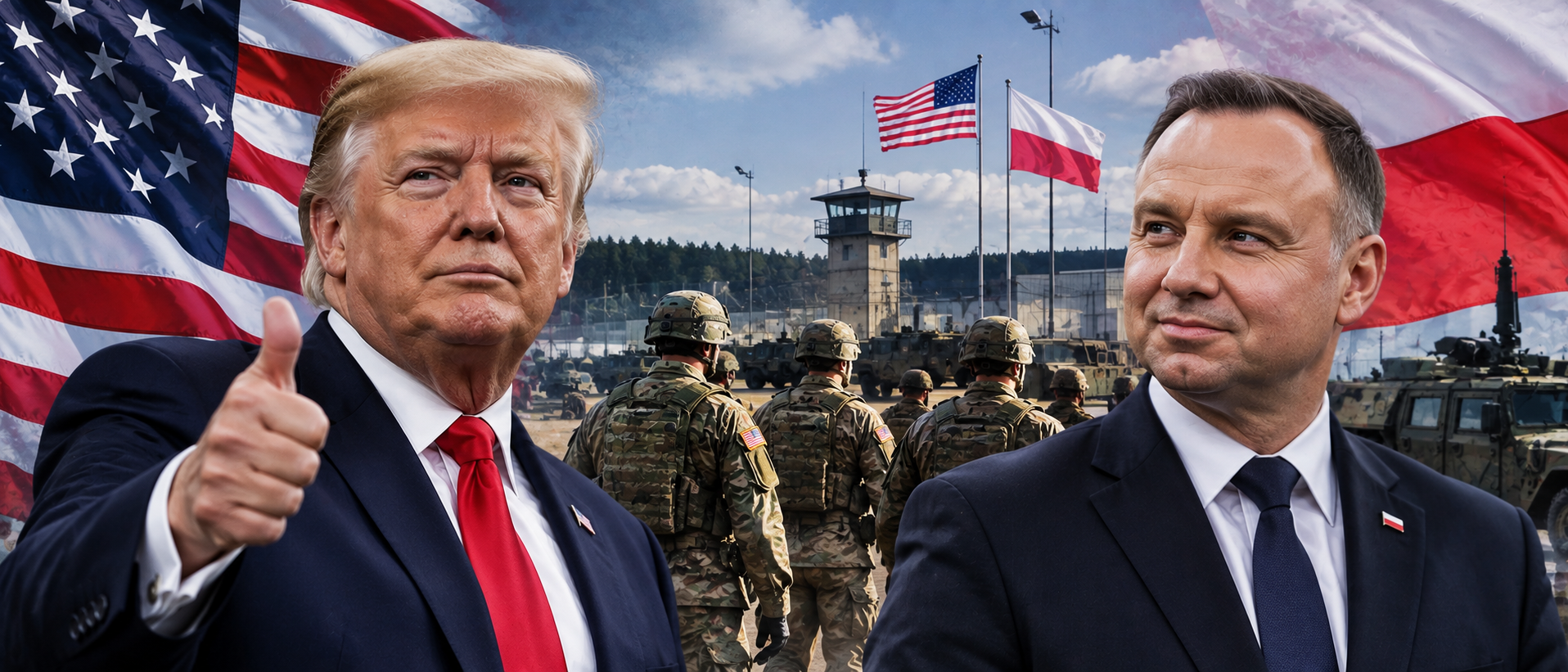
Trump Signals 'Major Progress' Toward New US Army Base in Poland

Trump Signals 'Major Progress' Toward New US Army Base in Poland

President Donald Trump says talks over establishing a US Army base in Poland are moving forward significantly, describing the potential move as a "historic step" for relations between the two countries. In a post on Truth Social Thursday, Trump said that if the plan comes together, the exact location would be revealed "very soon."

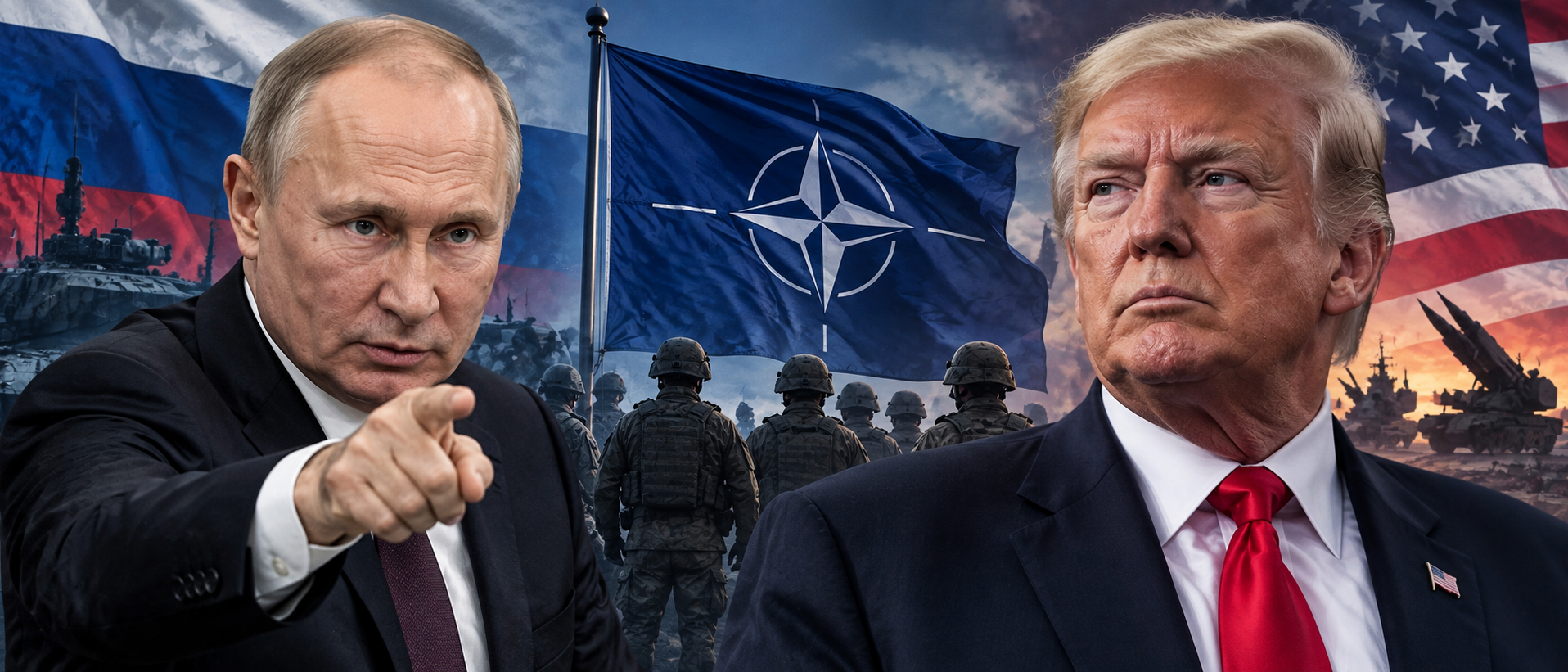
Expert Warns Putin: NATO Attack Means War with US

Expert Warns Putin: NATO Attack Means War with US

A leading foreign policy expert believes the United States needs to send Vladimir Putin an unmistakable message: any attack on a NATO member would put Russia directly at war with America. That's the view of Charles Kupchan, a senior fellow at the Council on Foreign Relations, who shared his assessment on the current state of US-Russia tensions.

US Resumes Visa Processing Only for Hungary and Poland

US Resumes Visa Processing Only for Hungary and Poland

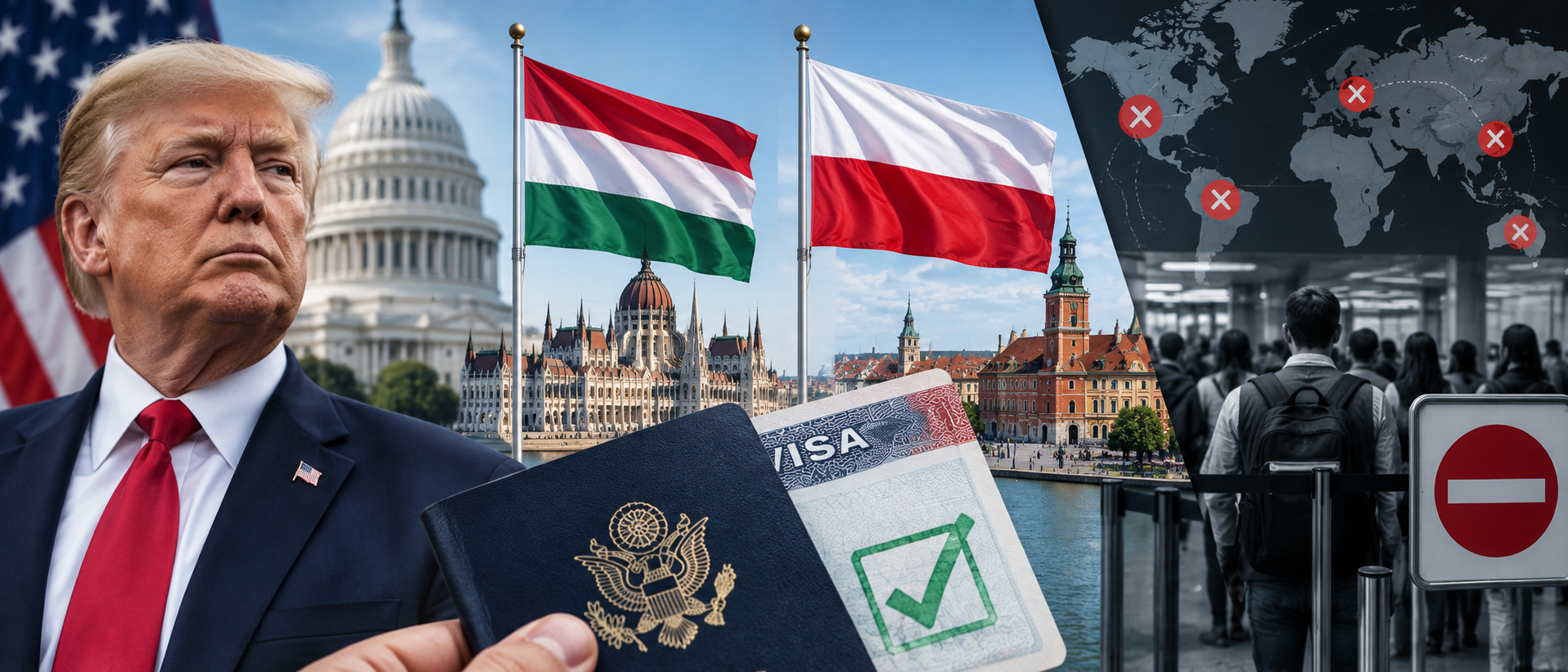
While most of the world remains stuck in limbo, immigrant visa applicants in Hungary and Poland just caught a break. The Trump administration reportedly resumed processing immigrant visa applications in those two countries last week, even as a broader pause continues to affect nearly every other US mission around the globe, according to people familiar with the situation.

Iran War Risks Turning Into Long Regional Conflict

Iran War Risks Turning Into Long Regional Conflict

The ongoing war between the US, Israel, and Iran is at real risk of turning into a drawn-out regional conflict, according to foreign-policy expert Galip Dalay, who says diplomatic efforts have so far failed to bridge the gap between the two sides. Dalay, a senior research fellow at Chatham House and co-director of Oxford University's Global Orders Programme, shared his assessment during the World Talks program at Impact Leading Minds in Warsaw.

Advertisement

LATEST INSIGHTS

Potrzebujemy chwili Twojej uwagi

Uwielbiamy pliki cookie — zarówno te jadalne, jak i cyfrowe, które ulepszają Twoje wrażenia z przeglądania. Pomagają nam one udoskonalać funkcjonalność naszej witryny i Twoje ogólne wrażenia. Podstawowe i funkcjonalne pliki cookie są niezbędne do prawidłowego działania witryny i nie można ich wyłączyć. Ponadto używamy plików cookie w celu optymalizacji wydajności („komfort”) i wyświetlania spersonalizowanych reklam („marketing”), na co potrzebujemy Twojej zgody. Kliknij „Zezwól na wszystkie”, aby wyrazić zgodę na przetwarzanie danych. Uwielbiamy pliki cookie — zarówno te jadalne, jak i cyfrowe, które ulepszają Twoje wrażenia z przeglądania. Pomagają nam one udoskonalać funkcjonalność naszej witryny i Twoje ogólne wrażenia z przeglądania. Podstawowe i funkcjonalne pliki cookie są niezbędne do prawidłowego działania witryny i nie można ich wyłączyć. Ponadto używamy plików cookie w celu optymalizacji wydajności („komfort”) i wyświetlania spersonalizowanych reklam („marketing”), na co potrzebujemy Twojej zgody. Kliknij „Zezwól na wszystkie”, aby wyrazić zgodę na przetwarzanie danych.

Twoja zgoda obowiązuje również na mocy art. 49 (1) (a) RODO, co oznacza, że ​​Twoje dane mogą być tymczasowo przetwarzane poza EOG, w tym w USA. W takich przypadkach wysokie europejskie standardy ochrony danych mogą nie być w pełni zagwarantowane, a władze USA mogą uzyskać dostęp do Twoich danych bez skutecznego środka prawnego. Możesz wycofać swoją zgodę w dowolnym momencie.

PrywatnośćWarunki korzystania z serwisu

Możesz zarządzać swoimi preferencjami dotyczącymi plików cookie lub wycofać zgodę w dowolnym momencie za pośrednictwem naszych ustawień plików cookie. Aby uzyskać więcej informacji, zapoznaj się z naszą Polityką prywatności.