world

Poland Extends Belarus Border Exclusion Zone

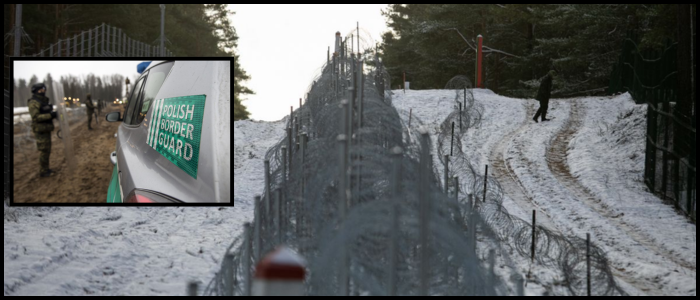
Poland has opted to elongate its border exclusion zone (comprising 56 km of its eastern Podlaskie province) adjacent to Belarus for an additional three-month period. This move, aimed at preventing illegal crossings, has been attributed by Poland to being part of Russia's hybrid war through the actions of Belarus. The original establishment of the exclusion zone was in June 2024 for an initial 90-day period. The exclusion zone was created to address illegal border crossings and human trafficking, and subsequently renewed every three months since its initial establishment. The current regulations and rules end on March 4.

By Nikodem Baran | Last Updated: 19 Feb 2026
Poland has been experiencing steady migration pressure on its eastern border since late 2021. Thousands of migrants from the Middle East and Africa attempted to cross into Poland from Belarus at that time. Poland has blamed Belarusian President Alexander Lukashenko (who is aligned with Russian President Vladimir Putin) for facilitating the influx of migrants in an attempt to destabilize EU member states.

Continued Migration Pressure on Poland's Eastern Borders
In its latest revision of legislation, Poland's Ministry of Interior has proposed extending the exclusion zone for an additional three months due to "persistent migratory pressure." Polish border guards have documented an estimated 30,000 illicit entries into Poland from Belarus in 2025 alone. Poland claims that it is imperative to maintain the exclusion zone to allow Polish authorities to deal with the ongoing threat of migration and to assist border security forces located in the area with continued enforcement of the exclusion zone.

The exclusion zone is a restricted area, limiting access to the designated border and which in turn gives Poland the ability to monitor and respond to illegal crossing attempts. The Polish government maintains that the restriction on a restricted zone is required to curb any additional unauthorized entry attempts into Poland and to impede the activities of human traffickers operating near the Polish-Belarusian border.

New Security Concerns and the Removal of the Exclusion Zone
In addition to continued migration issues, Poland's Ministry of Interior has identified new security concerns. Reports have recently emerged detailing the increase in incidents of meteorological balloons that cross into Poland from Belarus and drop packages of contraband (primarily cigarette products). The Ministry of Interior indicated that there has been an increase in the occurrence of this activity and that the Polish border enforcement agencies are required to intervene.

In 2025, the Polish border enforcement agency reported over 135 instances of smuggling cigarettes via balloons from Belarus into Poland. The value of the contraband goods was approximately 3.5 million zloty or roughly 800,000 euros. The Polish government argues that the smuggling changes justify keeping the exclusion zone in place.

Despite opposition from various human rights organizations that argue that the exclusion zone restricts border forests to aid workers and vulnerable migrants, and the assertion of NGO's that dozens of migrants have died in the border region due to illegal pushbacks, the Polish government has concluded that the extension of the exclusion zone is required to protect the nation and to manage the ongoing threat of illicit cross border traffic into the country.

Related Posts

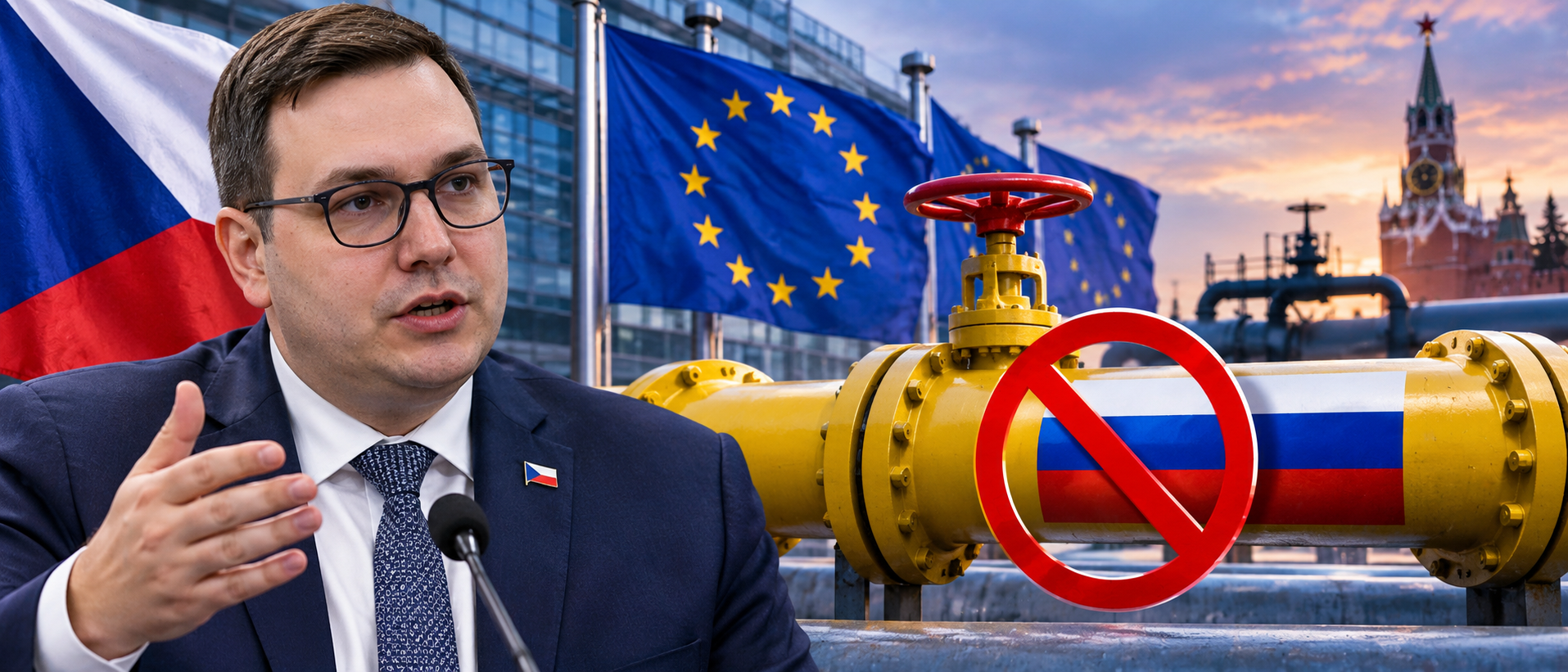
Czech Ex-Minister Urges Europe to Reject Russian Gas

Czech Ex-Minister Urges Europe to Reject Russian Gas

Europe should turn down any plan to bring Russian gas back onto the continent, says former Czech foreign minister Jan Lipavský. He called one reported proposal a "typical Russian corruption scheme" and said he hopes the Nord Stream pipeline, which once carried Russian supplies to Germany, stays "closed forever." His comments came on Monday, a day after fresh reports about American pressure to restart Russian gas sales.

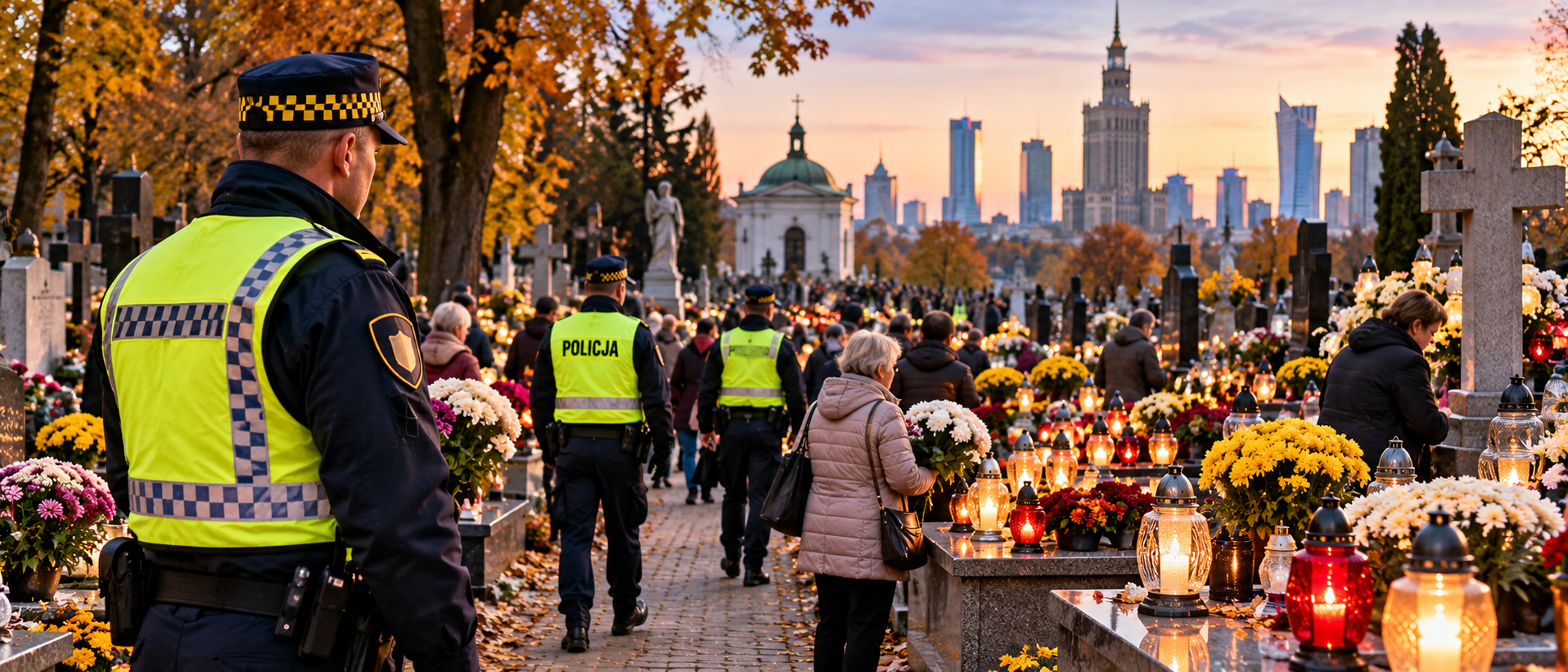
Warsaw Tightens Security at Cemeteries for All Saints' Day

Warsaw Tightens Security at Cemeteries for All Saints' Day

Warsaw is getting ready for one of its busiest and most emotional days of the year. Police and city guards have started a large security operation around the capital's cemeteries, where millions of Poles are expected to gather to remember the people they have lost.

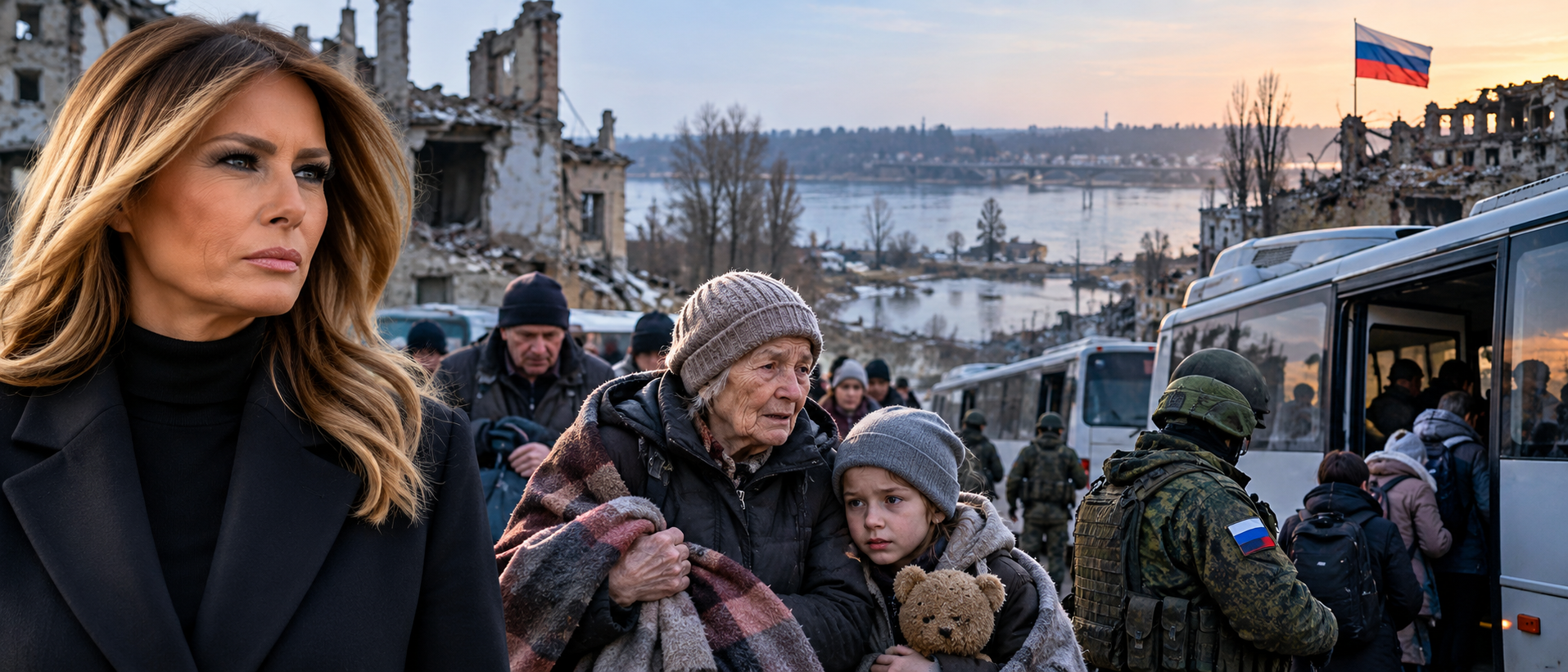
Oleshky Ceasefire Brings Relief to Starving Town

Oleshky Ceasefire Brings Relief to Starving Town

A rare pause in the fighting has brought some hope to Oleshky, a town in Russian-occupied Ukraine where people had been going hungry for months. Conditions got so bad that residents reportedly turned to eating their pets just to get by. Now a ceasefire is in place, and it has raised fresh questions about who made it happen, where residents will end up, and whether it could lead to something bigger.
 

Serbia and Brazil Votes Signal Fading Appeal of Nationalist Populism

Serbia and Brazil Votes Signal Fading Appeal of Nationalist Populism

Two election results on Sunday have people asking whether nationalist populism is losing its pull. Voters in Serbia and Brazil both turned away from populist figures, and Michael Carpenter, a senior analyst at the International Institute for Strategic Studies, thinks Israel could be next. Carpenter, a former senior US diplomat and presidential advisor, admits the three contests are very different. Still, he says the bottom line is simple: populists were defeated in both Brazil and Serbia.

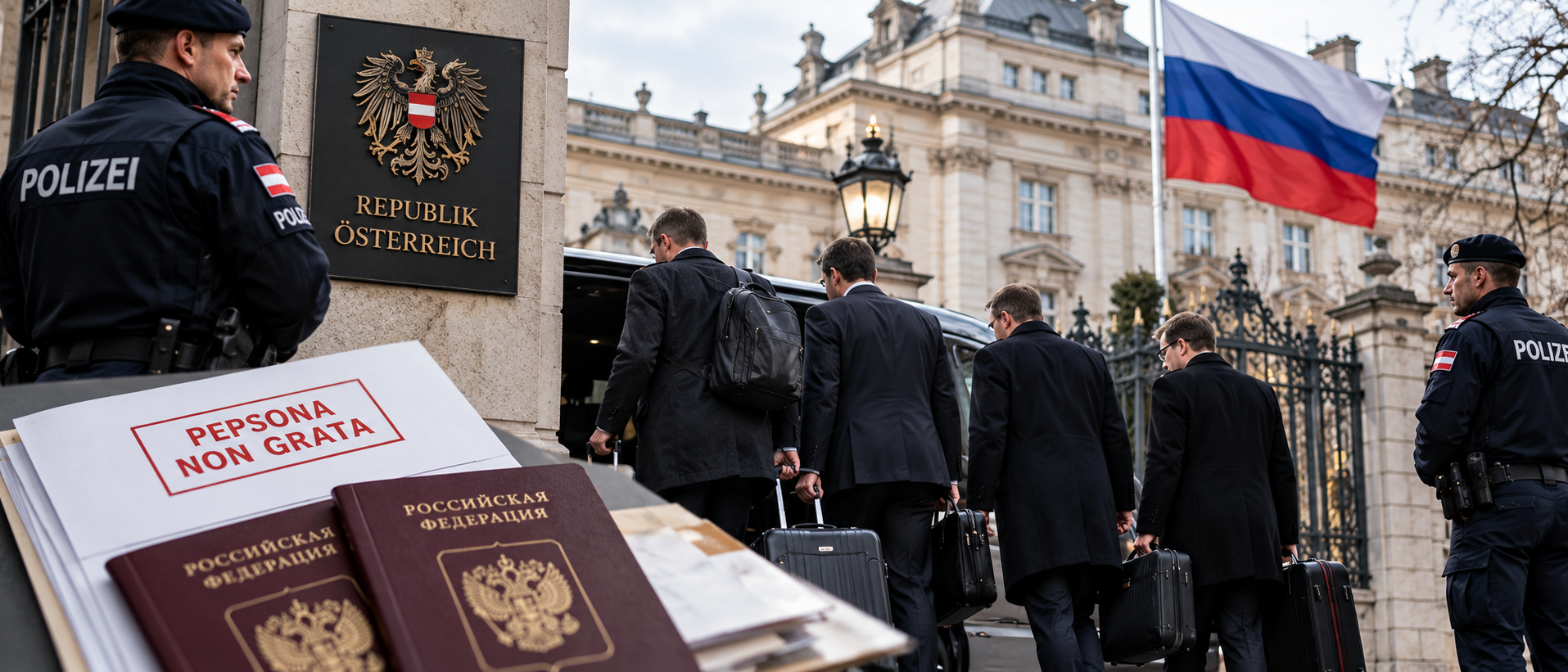
Austria Orders Four Russian Diplomats Out of the Country

Austria Orders Four Russian Diplomats Out of the Country

Austria has expelled four Russian diplomats based in Vienna, saying their activities did not fit with their diplomatic status. That phrase is usually diplomatic code for spying. With this latest move, the total number of Russian diplomats Austria has sent home since 2020 now stands at 18.

Ukraine Uses Ground Robot to Lay Barbed Wire

Ukraine Uses Ground Robot to Lay Barbed Wire

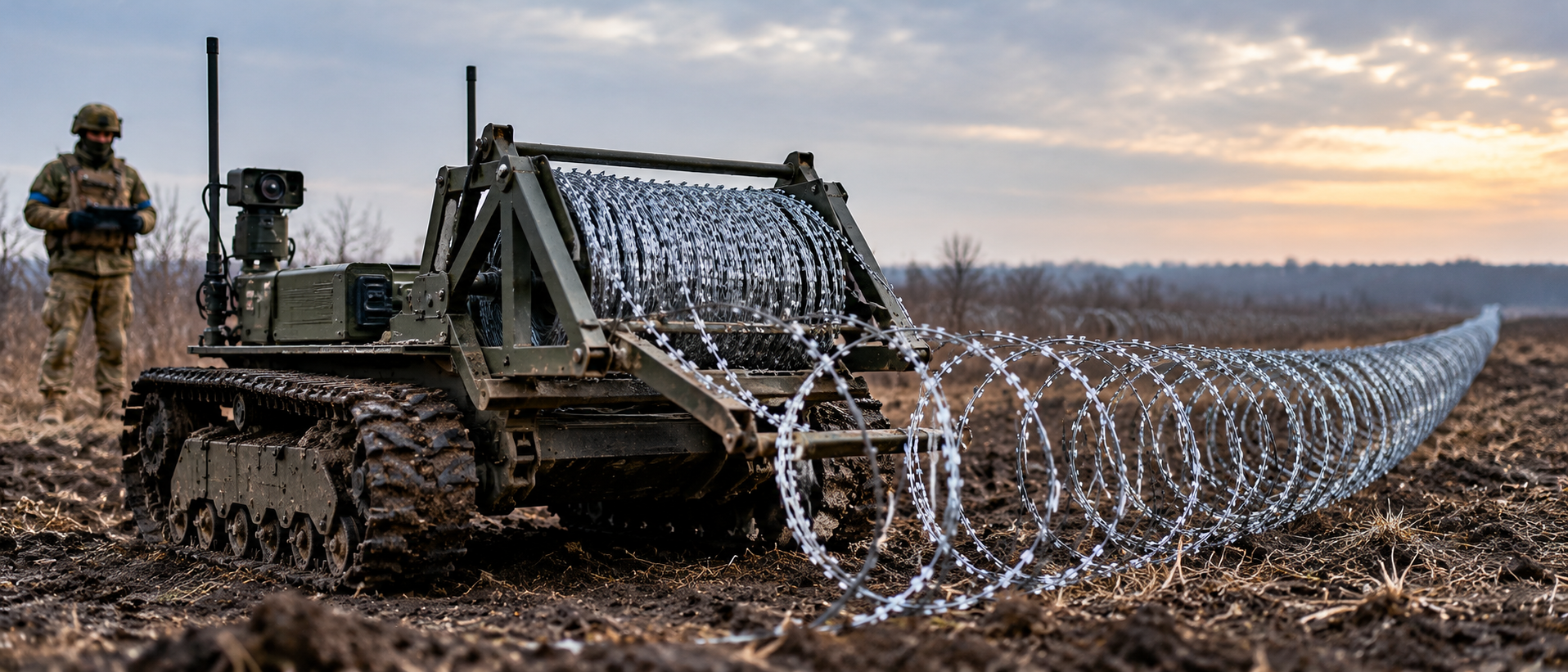
Ukraine's military is turning to robots for one of the most dangerous jobs on the battlefield. Ground vehicles are now installing coils of barbed wire along the front lines, which keeps combat engineers away from Russian snipers, drones and landmines.
 

Advertisement

LATEST INSIGHTS

Potrzebujemy chwili Twojej uwagi

Uwielbiamy pliki cookie — zarówno te jadalne, jak i cyfrowe, które ulepszają Twoje wrażenia z przeglądania. Pomagają nam one udoskonalać funkcjonalność naszej witryny i Twoje ogólne wrażenia. Podstawowe i funkcjonalne pliki cookie są niezbędne do prawidłowego działania witryny i nie można ich wyłączyć. Ponadto używamy plików cookie w celu optymalizacji wydajności („komfort”) i wyświetlania spersonalizowanych reklam („marketing”), na co potrzebujemy Twojej zgody. Kliknij „Zezwól na wszystkie”, aby wyrazić zgodę na przetwarzanie danych. Uwielbiamy pliki cookie — zarówno te jadalne, jak i cyfrowe, które ulepszają Twoje wrażenia z przeglądania. Pomagają nam one udoskonalać funkcjonalność naszej witryny i Twoje ogólne wrażenia z przeglądania. Podstawowe i funkcjonalne pliki cookie są niezbędne do prawidłowego działania witryny i nie można ich wyłączyć. Ponadto używamy plików cookie w celu optymalizacji wydajności („komfort”) i wyświetlania spersonalizowanych reklam („marketing”), na co potrzebujemy Twojej zgody. Kliknij „Zezwól na wszystkie”, aby wyrazić zgodę na przetwarzanie danych.

Twoja zgoda obowiązuje również na mocy art. 49 (1) (a) RODO, co oznacza, że ​​Twoje dane mogą być tymczasowo przetwarzane poza EOG, w tym w USA. W takich przypadkach wysokie europejskie standardy ochrony danych mogą nie być w pełni zagwarantowane, a władze USA mogą uzyskać dostęp do Twoich danych bez skutecznego środka prawnego. Możesz wycofać swoją zgodę w dowolnym momencie.

PrywatnośćWarunki korzystania z serwisu

Możesz zarządzać swoimi preferencjami dotyczącymi plików cookie lub wycofać zgodę w dowolnym momencie za pośrednictwem naszych ustawień plików cookie. Aby uzyskać więcej informacji, zapoznaj się z naszą Polityką prywatności.