politics

Ukraine Must Lead Its Own Peace Process, Security Analyst Warns

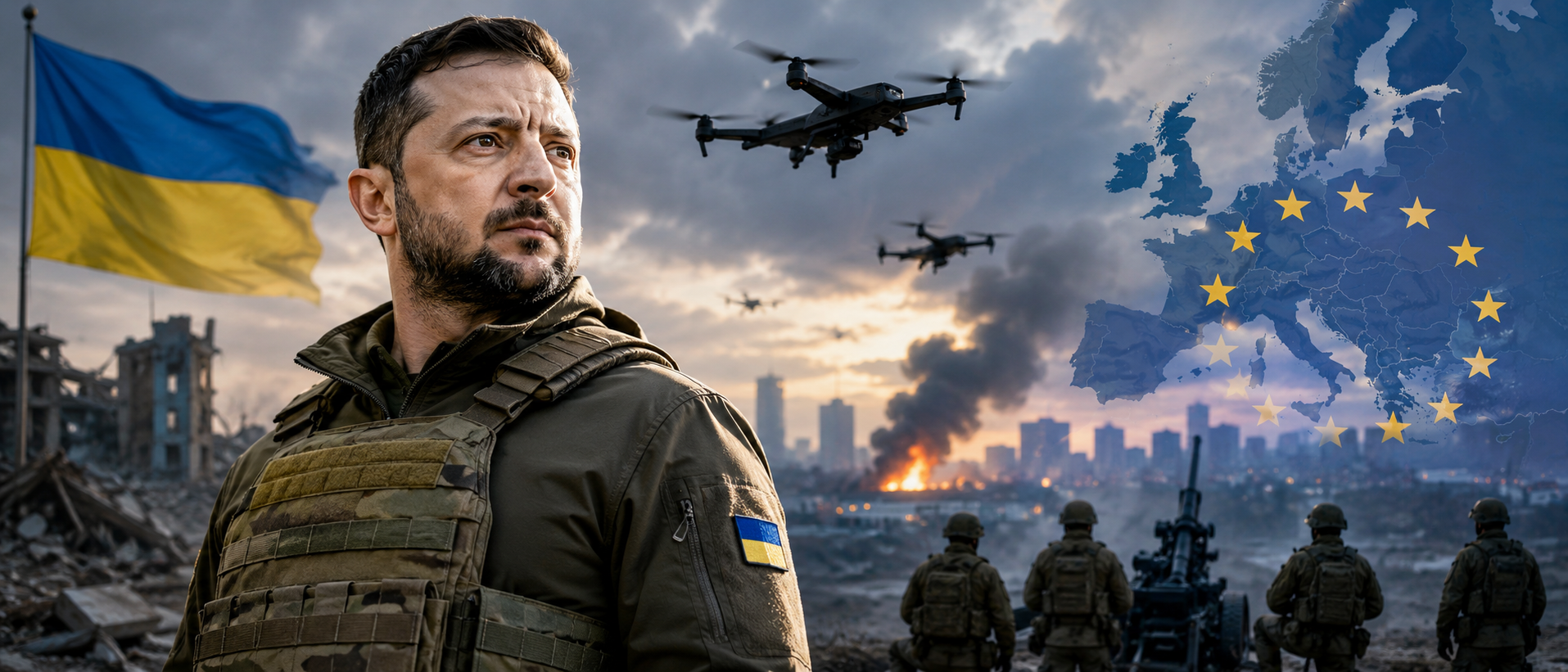
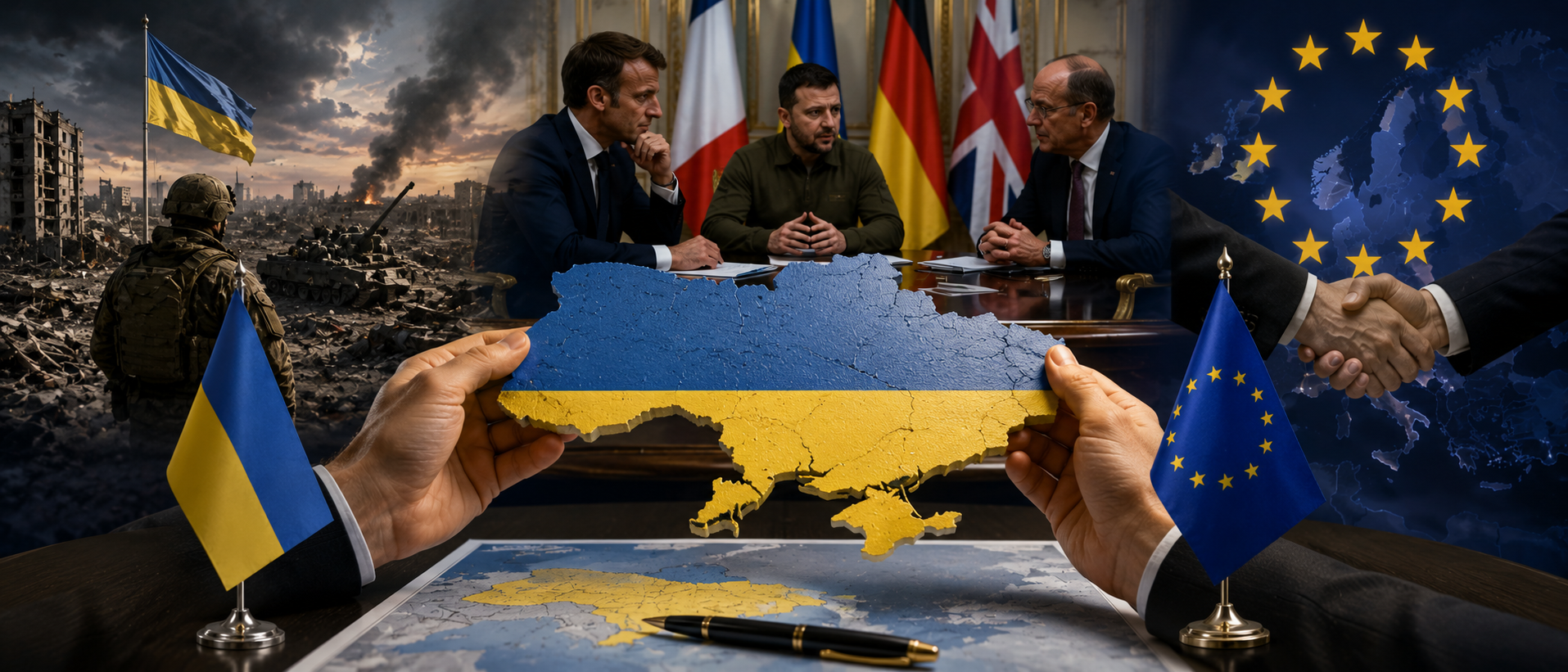
As European nations quietly work to revive diplomacy around the war in Ukraine, a clear message is emerging from security experts: any peace effort must be built around what Ukraine wants, not what outside powers find convenient. The warning comes at a time when Germany, France, and the United Kingdom are reportedly coordinating with Ukrainian officials on a possible framework for talks with Moscow.

By Iwo Mazur | Last Updated: 5 Jun 2026
Why Ukraine Cannot Be Sidelined
Philippe Dickinson, deputy director with the Transatlantic Security Initiative at the Atlantic Council's Scowcroft Center for Strategy and Security, made his position plain. Europe's role, he argued, should be to back Ukraine with diplomatic, political, military, and economic support while ensuring Kyiv remains at the center of any settlement process. Pressuring Ukraine into concessions is not support, it is a betrayal of the principle that nations have the right to determine their own futures.

Dickinson was equally direct when asked about Vladimir Putin's reliability as a negotiating partner. He dismissed the idea entirely. Recent comments from the Russian leader suggesting that Ukraine should make sacrifices drew a sharp response. Dickinson pointed out that Ukraine has been sacrificing continuously for more than four years, making such demands not just unreasonable but deeply offensive. In his view, the only way to bring Putin to a genuine and lasting negotiation is through unity, strength, and collective force. Allowing Moscow to dictate the terms or shape the agenda of any talks would undermine the entire process before it even begins.

Europe's Broader Role in Ukraine's Future
Beyond the immediate question of peace talks, Dickinson welcomed news that EU member states had approved the opening of the first negotiation cluster in Ukraine's accession process. He framed EU membership not just as a political milestone but as a practical security measure, arguing that deeper integration would make Ukraine far more difficult to threaten or attack in the future.

The conversation also stretched into longer-term questions about European security architecture. When asked whether US nuclear deterrence could eventually be extended to NATO's eastern flank, covering countries like Poland or the Baltic states, Dickinson said Europe should stop dismissing ideas simply because they once seemed out of reach. The past several years, he noted, have repeatedly shown that events once considered unthinkable have a way of becoming reality.

Related Posts

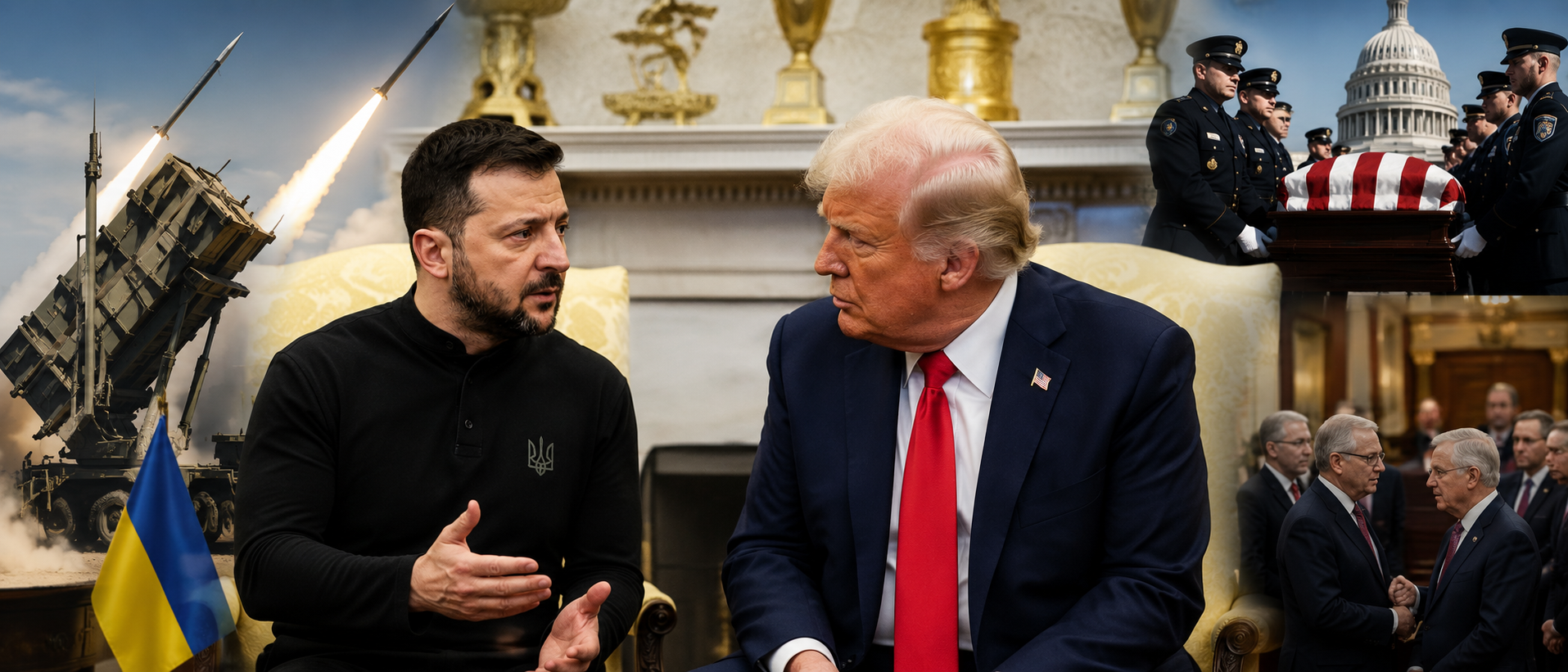
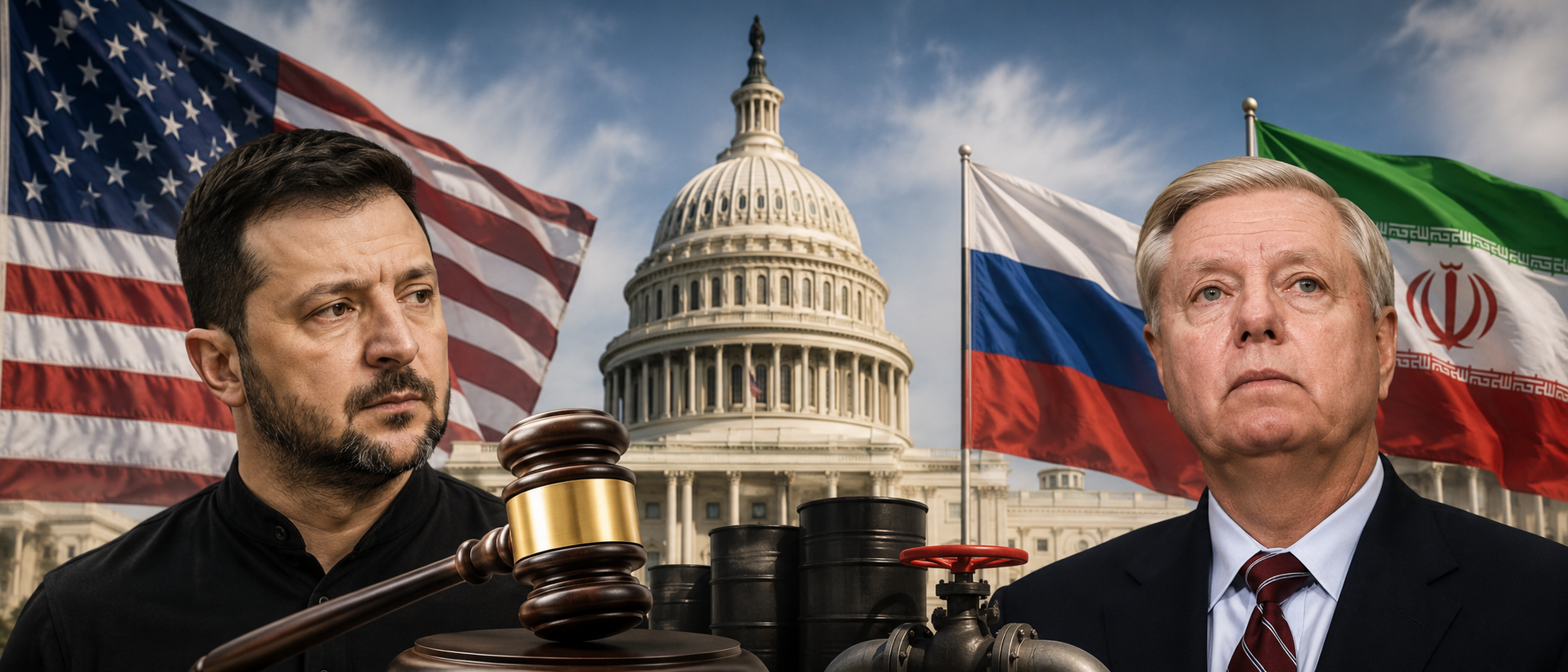
Republicans Defy Trump, House Passes Ukraine Aid Bill

Republicans Defy Trump, House Passes Ukraine Aid Bill

It is not every day that members of the President's own party openly go against his wishes on a major foreign policy issue. But that is exactly what happened on Thursday, when the US House of Representatives passed legislation aimed at supporting Ukraine and hitting Russia with fresh sanctions. The Ukraine Support Act cleared the chamber with a vote of 226 to 195, marking a notable moment of bipartisan defiance in an otherwise deeply divided Congress.

EU Pushes to Trump-Proof Fragile US Trade Agreement

EU Pushes to Trump-Proof Fragile US Trade Agreement

A senior European Parliament trade official has described the newly negotiated US trade framework as far from ideal, yet necessary — and now says the priority is making it bulletproof against future pressure from Washington. Karin Karlsbro, vice chair of the European Parliament's trade committee and a Swedish liberal MEP, stated plainly that the Turnberry framework was not a great outcome, but it was the one on the table. With a final vote expected on June 16, she argued the deal must be made resistant to Donald Trump's tariff threats before it crosses the finish line.

Russia Freezes Spending as Ukraine War Costs Exceed Budget by €24bn

Russia Freezes Spending as Ukraine War Costs Exceed Budget by €24bn

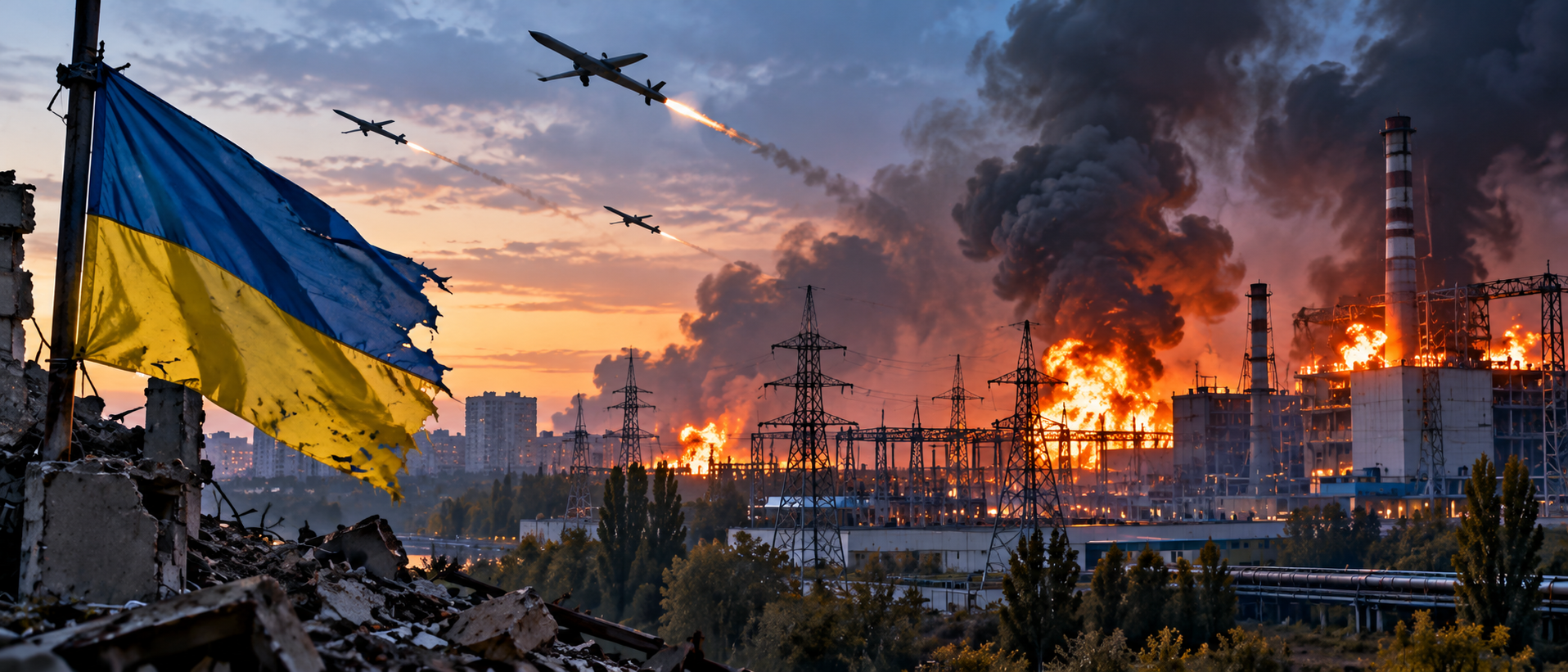
The financial strain of Russia's war in Ukraine is becoming harder to hide. Moscow's finance minister has urged the government to freeze non-essential spending after it emerged that military costs are running approximately €24 billion over budget this year alone. Despite dedicating a staggering 40 percent of the entire national budget to defense and security, Russia is finding it increasingly difficult to keep its finances from slipping further into the red.

Latvia's Kulbergs Moves to Form New Coalition Government

Latvia's Kulbergs Moves to Form New Coalition Government

Latvia's political landscape is shifting fast. Just weeks after the ruling coalition fell apart, a new government could be taking shape by the end of this week. Opposition lawmaker Andris Kulbergs has been handed the task of pulling together a new cabinet, and by Monday, he was already signalling that things are moving in the right direction.

Magyar Files Criminal Complaint Over Shredded Ministry Documents

Magyar Files Criminal Complaint Over Shredded Ministry Documents

Hungary's new government is wasting no time going after its predecessor. Just days into office, Prime Minister Péter Magyar has announced plans to file a criminal complaint after workers clearing out a former ministry building stumbled upon something unexpected — bags full of shredded documents and what appeared to be Fidesz party campaign materials. For Magyar, it was too suspicious to ignore.

Hungary's New PM Magyar Picks Poland for First Foreign Visit in Bid to Repair Ties

Hungary's New PM Magyar Picks Poland for First Foreign Visit in Bid to Repair Ties

Péter Magyar has wasted no time signaling a new direction for Hungarian foreign policy. The newly appointed prime minister, who was sworn into office just last Saturday after his center-right Tisza party swept to a landslide election victory, has confirmed that Poland will be the destination of his first official trip abroad. The visit, set for next week, is widely seen as a deliberate first step toward mending a relationship between Warsaw and Budapest that became deeply strained during the long reign of his predecessor, Viktor Orbán.

Advertisement

LATEST INSIGHTS

Potrzebujemy chwili Twojej uwagi

Uwielbiamy pliki cookie — zarówno te jadalne, jak i cyfrowe, które ulepszają Twoje wrażenia z przeglądania. Pomagają nam one udoskonalać funkcjonalność naszej witryny i Twoje ogólne wrażenia. Podstawowe i funkcjonalne pliki cookie są niezbędne do prawidłowego działania witryny i nie można ich wyłączyć. Ponadto używamy plików cookie w celu optymalizacji wydajności („komfort”) i wyświetlania spersonalizowanych reklam („marketing”), na co potrzebujemy Twojej zgody. Kliknij „Zezwól na wszystkie”, aby wyrazić zgodę na przetwarzanie danych. Uwielbiamy pliki cookie — zarówno te jadalne, jak i cyfrowe, które ulepszają Twoje wrażenia z przeglądania. Pomagają nam one udoskonalać funkcjonalność naszej witryny i Twoje ogólne wrażenia z przeglądania. Podstawowe i funkcjonalne pliki cookie są niezbędne do prawidłowego działania witryny i nie można ich wyłączyć. Ponadto używamy plików cookie w celu optymalizacji wydajności („komfort”) i wyświetlania spersonalizowanych reklam („marketing”), na co potrzebujemy Twojej zgody. Kliknij „Zezwól na wszystkie”, aby wyrazić zgodę na przetwarzanie danych.

Twoja zgoda obowiązuje również na mocy art. 49 (1) (a) RODO, co oznacza, że ​​Twoje dane mogą być tymczasowo przetwarzane poza EOG, w tym w USA. W takich przypadkach wysokie europejskie standardy ochrony danych mogą nie być w pełni zagwarantowane, a władze USA mogą uzyskać dostęp do Twoich danych bez skutecznego środka prawnego. Możesz wycofać swoją zgodę w dowolnym momencie.

PrywatnośćWarunki korzystania z serwisu

Możesz zarządzać swoimi preferencjami dotyczącymi plików cookie lub wycofać zgodę w dowolnym momencie za pośrednictwem naszych ustawień plików cookie. Aby uzyskać więcej informacji, zapoznaj się z naszą Polityką prywatności.