world

Hantavirus Kills Three Passengers on Atlantic Cruise Ship

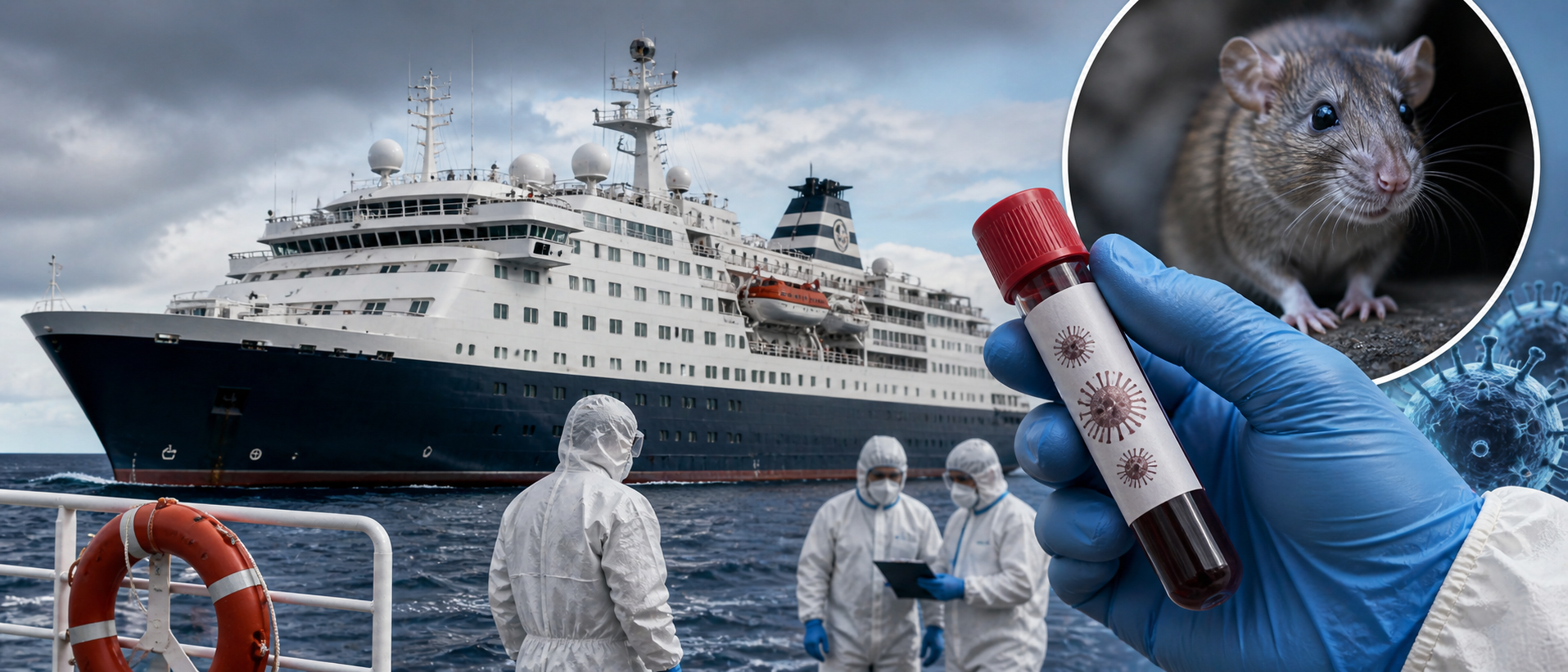
A rare and dangerous viral outbreak has turned a transatlantic cruise into a medical emergency. Three passengers have died, and one remains in intensive care in South Africa after a hantavirus outbreak was confirmed aboard the MV Hondius, a cruise ship traveling from Argentina to the Cape Verde Islands off the western coast of Africa. Polish authorities have confirmed that all their nationals on board are safe and unharmed.

By Iwo Mazur | Last Updated: 5 May 2026
Outbreak Confirmed, Lives Lost
The World Health Organization confirmed on Sunday that at least one hantavirus case had been identified on the vessel, with five additional suspected cases also reported. Of those six affected individuals, three have died, and one is currently receiving intensive care treatment in South Africa. The remaining cases are under close medical observation as investigations and laboratory testing continue. The WHO noted that medical care and support are being provided to both passengers and crew throughout the process.

Poland's Foreign Ministry moved quickly to address concerns at home. Spokesman Maciej Wewiór confirmed that Polish officials are in constant contact with sanitary services and monitoring developments closely. According to the information available at the time, all Polish citizens aboard the ship were doing well, with no one having reported any need for medical or consular assistance.

What Is Hantavirus, and Should the Public Be Worried?
Hantaviruses are uncommon pathogens that do not spread the way most people fear. They are typically passed to humans through contact with infected rodents — not through casual human-to-human interaction. That distinction matters, and health officials were quick to make it. WHO Regional Director Hans Henri P. Kluge addressed public concern directly, stressing that the risk to the broader population remains low and that there is no reason for panic or for imposing travel restrictions.

Kluge also noted that while the virus can be severe in some cases, it does not transmit easily between people. That reassurance is important, given the enclosed environment of a cruise ship and the natural anxiety that comes with any outbreak at sea. Authorities continue to monitor the situation carefully, and further updates are expected as laboratory results come in. For now, the focus remains on those directly affected — and on ensuring that no further cases develop aboard the vessel.

Related Posts

US Navy Sinks Iranian Boats, Intercepts Missiles in Hormuz Operation

US Navy Sinks Iranian Boats, Intercepts Missiles in Hormuz Operation

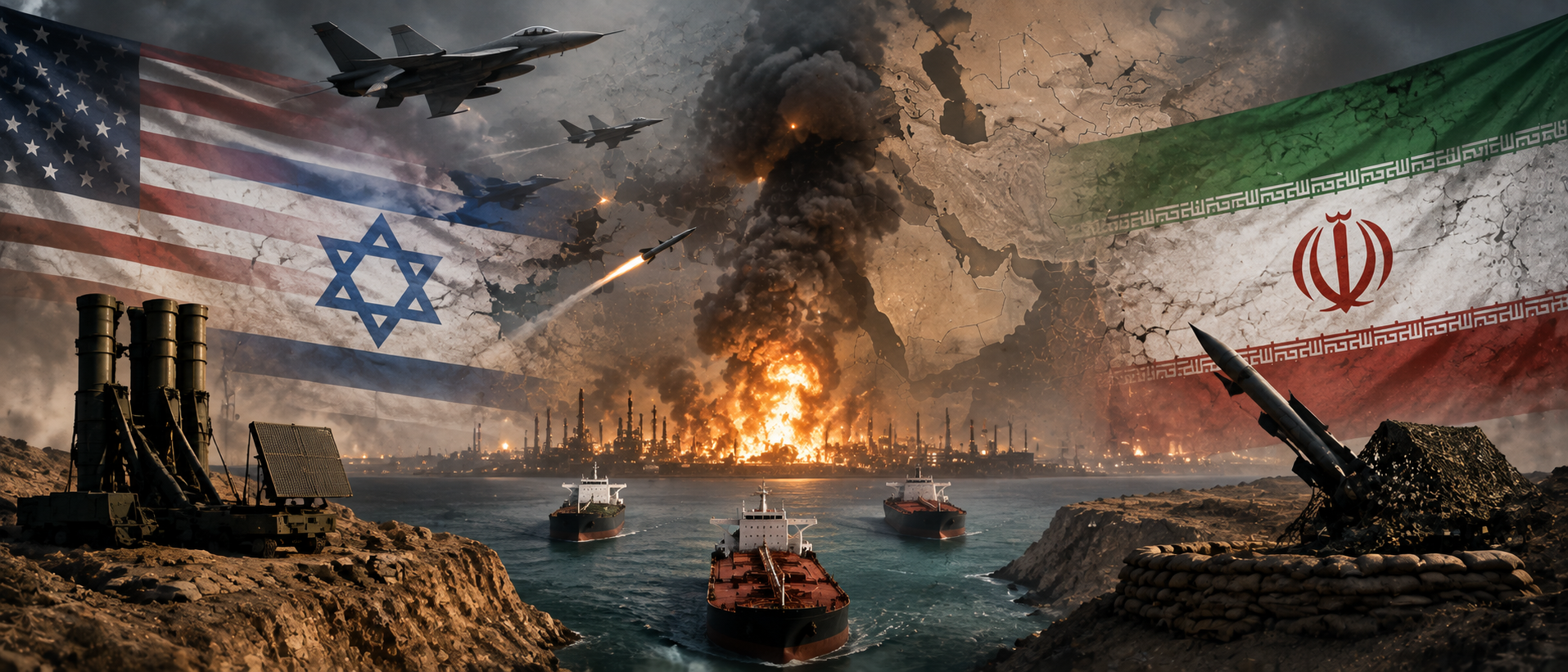
The Strait of Hormuz is at the center of a sharp military confrontation. The United States military confirmed it destroyed six Iranian small boats and intercepted Iranian cruise missiles and drones on Monday, as Washington pushed forward with a bold new naval operation aimed at reopening one of the world's most critical shipping lanes. The move marks a significant escalation in tensions between the two countries over control of the strategic waterway.

Trump Moves to Free Ships Stuck in Strait of Hormuz

Trump Moves to Free Ships Stuck in Strait of Hormuz

The Strait of Hormuz has become one of the world's most tense flashpoints, and now the United States is stepping directly into the middle of it. President Donald Trump announced that America would begin escorting stranded commercial vessels safely out of the Gulf waterway — a move that comes as hundreds of ships and roughly 20,000 seafarers remain stuck, some running dangerously low on food and basic supplies. Almost immediately after that announcement, a tanker in the strait reported being struck by unknown projectiles, raising the stakes even further.

Experts Warn Putin Is Using Ceasefire Talk to Stall, Not Settle

Experts Warn Putin Is Using Ceasefire Talk to Stall, Not Settle

As diplomatic chatter around a potential Ukraine ceasefire grows louder, at least one prominent security analyst is urging Washington to keep its guard up. Ivana Stradner, a research fellow at the Foundation for Defense of Democracies and a specialist in Russian security strategy and information operations, believes Vladimir Putin is not genuinely pursuing peace. Instead, she argues, the Russian president is leveraging ceasefire language to buy time on the battlefield while simultaneously positioning himself as an indispensable global power broker — on Ukraine and beyond.

U.S. Supports Poland Joining G20 as Permanent Member

U.S. Supports Poland Joining G20 as Permanent Member

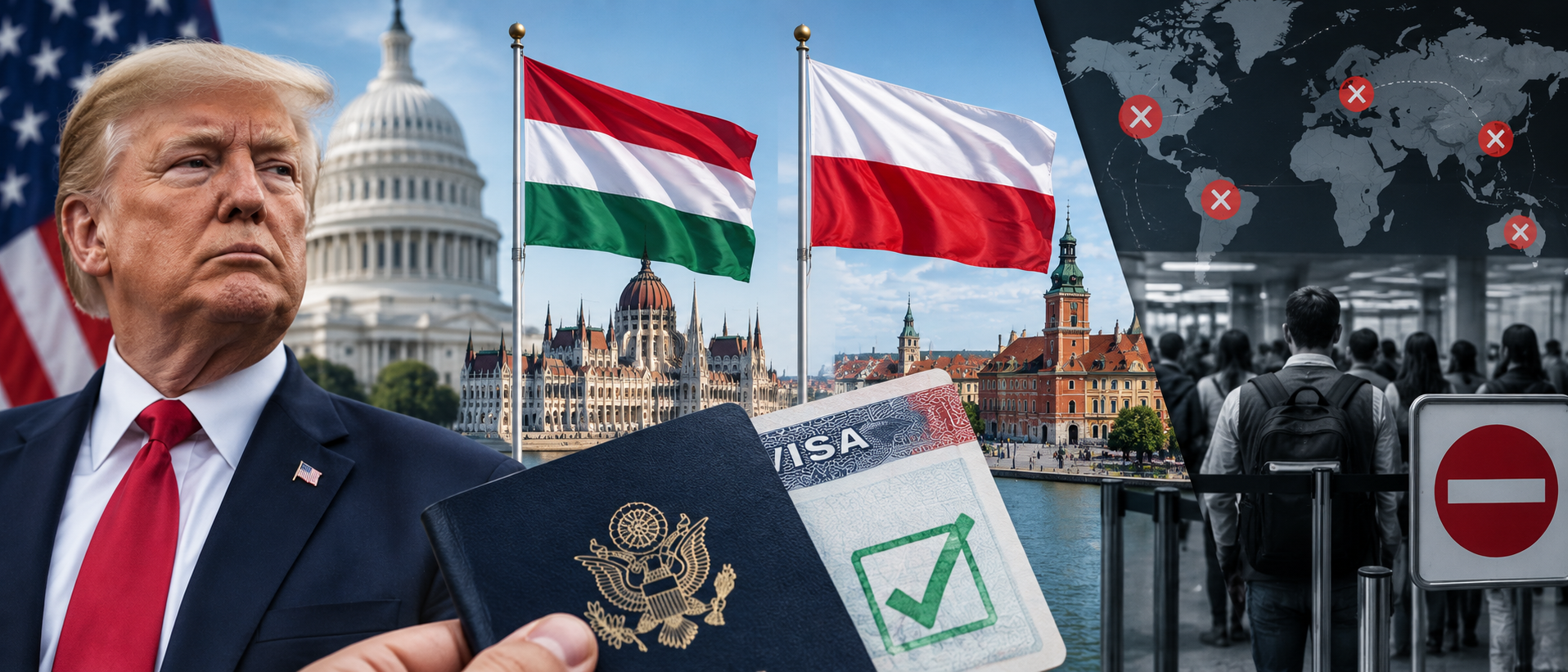
Washington has thrown its weight behind Poland's bid to become a permanent member of the G20, marking a significant diplomatic gesture as the two NATO allies deepen their cooperation across a broad range of strategic areas. The endorsement came out of high-level bilateral talks held in Warsaw, where the U.S. State Department and the Polish Foreign Ministry sat down to map out the future of their partnership — from energy and defense to critical minerals and technology security.

Trump Administration Builds Global Coalition to Reopen Strait of Hormuz

Trump Administration Builds Global Coalition to Reopen Strait of Hormuz

The Trump administration is quietly reaching out to allied nations, looking to pull together an international coalition aimed at restoring safe passage through the Strait of Hormuz. The effort, rooted in a State Department directive approved by Secretary of State Marco Rubio, centers on a new joint initiative called the Maritime Freedom Construct or MFC — developed in coordination with the Pentagon and dated April 28.

U.S. Pledges $100 Million to Fix Chernobyl Radiation Shield

U.S. Pledges $100 Million to Fix Chernobyl Radiation Shield

The United States has stepped forward with a major financial commitment to help fix the protective dome covering the most dangerous reactor at the Chernobyl nuclear plant in northern Ukraine. Energy Minister Denys Shmyhal announced that Washington will contribute $100 million toward restoring the structure, which shields the world from lingering radiation left behind by the 1986 disaster — the worst nuclear accident in history.

Advertisement

LATEST INSIGHTS

Potrzebujemy chwili Twojej uwagi

Uwielbiamy pliki cookie — zarówno te jadalne, jak i cyfrowe, które ulepszają Twoje wrażenia z przeglądania. Pomagają nam one udoskonalać funkcjonalność naszej witryny i Twoje ogólne wrażenia. Podstawowe i funkcjonalne pliki cookie są niezbędne do prawidłowego działania witryny i nie można ich wyłączyć. Ponadto używamy plików cookie w celu optymalizacji wydajności („komfort”) i wyświetlania spersonalizowanych reklam („marketing”), na co potrzebujemy Twojej zgody. Kliknij „Zezwól na wszystkie”, aby wyrazić zgodę na przetwarzanie danych. Uwielbiamy pliki cookie — zarówno te jadalne, jak i cyfrowe, które ulepszają Twoje wrażenia z przeglądania. Pomagają nam one udoskonalać funkcjonalność naszej witryny i Twoje ogólne wrażenia z przeglądania. Podstawowe i funkcjonalne pliki cookie są niezbędne do prawidłowego działania witryny i nie można ich wyłączyć. Ponadto używamy plików cookie w celu optymalizacji wydajności („komfort”) i wyświetlania spersonalizowanych reklam („marketing”), na co potrzebujemy Twojej zgody. Kliknij „Zezwól na wszystkie”, aby wyrazić zgodę na przetwarzanie danych.

Twoja zgoda obowiązuje również na mocy art. 49 (1) (a) RODO, co oznacza, że ​​Twoje dane mogą być tymczasowo przetwarzane poza EOG, w tym w USA. W takich przypadkach wysokie europejskie standardy ochrony danych mogą nie być w pełni zagwarantowane, a władze USA mogą uzyskać dostęp do Twoich danych bez skutecznego środka prawnego. Możesz wycofać swoją zgodę w dowolnym momencie.

PrywatnośćWarunki korzystania z serwisu

Możesz zarządzać swoimi preferencjami dotyczącymi plików cookie lub wycofać zgodę w dowolnym momencie za pośrednictwem naszych ustawień plików cookie. Aby uzyskać więcej informacji, zapoznaj się z naszą Polityką prywatności.