world

Von der Leyen Calls for Trade Rebalance in China-EU Summit

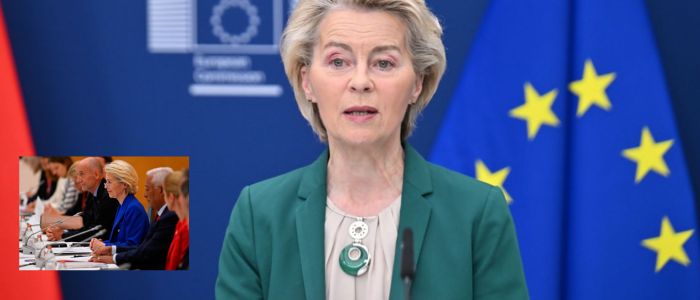
European Commission President Ursula von der Leyen called for a significant adjustment in trade relations with China during a tense summit in Beijing with Chinese President Xi Jinping. The meeting, marking 50 years of diplomatic ties, came amid rising frictions over trade, global policy differences, and the Ukraine conflict.
 

By Oskar Malec | Last Updated: 24 Jul 2025
"Inflection Point" in EU-China Ties
Von der Leyen described the relationship as standing at an "inflection point," citing the EU's record €305.8 billion ($360 billion) trade deficit with China last year. "Rebalancing of our bilateral relation is essential," she told Xi during talks held in the Great Hall of the People. "It is vital for China and Europe to acknowledge our respective concerns and come forward with real solutions."

European Council President Antonio Costa joined von der Leyen in the high-level talks, which were reduced to a single day at China's request.
Despite recent EU criticism—especially von der Leyen's remarks in July accusing China of flooding global markets and supporting Russia's war economy—the European leader expressed a willingness to restore balance in cooperation.

Just ahead of the summit, she posted that it was an opportunity to "both advance and rebalance our relationship," adding that she believed in the potential for "mutually beneficial cooperation."

Xi Calls for "Correct Strategic Choices"
President Xi responded by urging the EU to make what he described as "correct strategic choices," suggesting that Brussels should move away from its increasingly firm stance. "The more severe and complex the international situation, the more China and the EU must strengthen communication, enhance mutual trust and deepen cooperation," Xi said.

According to Chinese state media, Xi emphasized that China and Europe should remain partners, not rivals. Meanwhile, Chinese news outlets also downplayed rising tensions, stressing shared interests in trade, climate policy, and global governance.

Trade Frictions Persist Amid Dialogue
The backdrop to the summit has been weeks of trade-related disputes. European leaders are concerned about China's industrial overcapacity and recent export controls. In April, China restricted exports of rare earths, disrupting global supply chains and causing temporary production stoppages in Europe. However, by June, exports of rare earth magnets to the EU had jumped 245% from the previous month, reaching 1,364 metric tons, though still down 35% compared to the previous year.

European leaders are also expected to discuss electric vehicle competition and industrial subsidies during continued meetings with Chinese Premier Li Qiang.

In parallel, the EU is finalizing a trade agreement with the United States to secure a 15% export tariff—avoiding a harsher 30% rate previously proposed by former President Donald Trump.

Despite the tense atmosphere, both sides aim to produce at least a modest joint statement on climate, one of the few areas where China and the EU continue to see consistent cooperation.
 

Related Posts

Allies Concerned Over US Munitions Use in Iran

Allies Concerned Over US Munitions Use in Iran

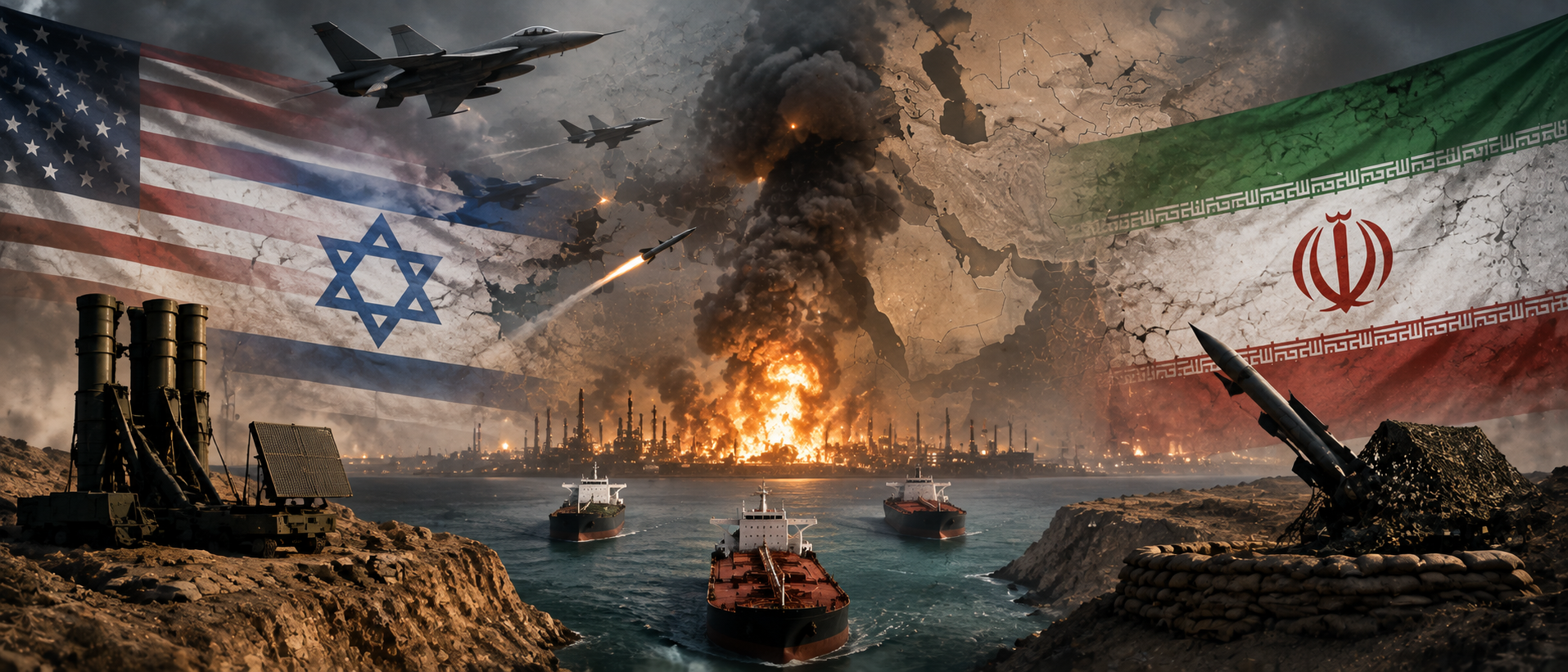
Concerns are growing amongst US Allies about the use of munitions by the United States in its current military operations in the West against Iran. Several countries in both Europe and Asia fear that the weapons that they purchased may be delayed or not delivered at all. The rapid depletion of munitions by US forces has caused European and Asian countries to worry that their defence plans and future commitments could be negatively impacted due to the inability of the US to meet their munitions needs.

Zakopane Risks Losing Residents Amid Tourism Pressure

Zakopane Risks Losing Residents Amid Tourism Pressure

The ski resort of Zakopane in the Tatra Mountains, Poland, has a problem. Business owners say that if the trend of residents leaving continues, the entire resident population may disappear within 15 years. Residents are being forced to move out due to an influx of tourism, increasing cost of living and lack of viable jobs; hence, the community's long-term future and cultural identity are in doubt.

Poland Issues Flood Warnings After Snowmelt

Poland Issues Flood Warnings After Snowmelt

Due to rising air temperatures, rapid snowmelt has resulted in increased river levels in northern and central Poland, causing the issuance of flood warnings in many areas. Local authorities have also indicated that flooding has occurred at multiple locations in the east-central region of Poland, with numerous properties affected as the floodwaters have continued to rise.

Iran Signals Openness to De-Escalation Talks

Iran Signals Openness to De-Escalation Talks

The rise in tension throughout the Middle East caused by military developments over the weekend has led Iran to suggest they will consider diplomatic approaches for conflict resolution. In response to the multiple attacks perpetrated by both Israeli and U.S. military forces this past weekend, Iran has stated that it is willing to assist with initiatives that seek to de-escalate the current state of unrest and restore regional stability.

Russia Funeral Industry Grows Amid Rising Mortality

Russia Funeral Industry Grows Amid Rising Mortality

Russia's funeral industry is growing steadily as a result of an increase in mortality levels since Moscow has been conducting widespread military operations in Ukraine for several years. Funeral service companies are one of the few sectors showing consistent growth amidst economic instability, while changing demographics, increased deaths, and new economic conditions all impact how Russians manage the burial and cremation of their loved ones.

Poles Trust Zelenskyy Most, Reject Putin Strongly

Poles Trust Zelenskyy Most, Reject Putin Strongly

A new public opinion survey shows that Ukrainian President Volodymyr Zelenskyy continues to be the most trusted foreign leader among Polish people, although his confidence has reduced significantly since 2022. The study looked at the public level of trust in key international leaders, as well as highlighting differences in how Polish citizens perceive the world's key political figures.

Advertisement

LATEST INSIGHTS

Potrzebujemy chwili Twojej uwagi

Uwielbiamy pliki cookie — zarówno te jadalne, jak i cyfrowe, które ulepszają Twoje wrażenia z przeglądania. Pomagają nam one udoskonalać funkcjonalność naszej witryny i Twoje ogólne wrażenia. Podstawowe i funkcjonalne pliki cookie są niezbędne do prawidłowego działania witryny i nie można ich wyłączyć. Ponadto używamy plików cookie w celu optymalizacji wydajności („komfort”) i wyświetlania spersonalizowanych reklam („marketing”), na co potrzebujemy Twojej zgody. Kliknij „Zezwól na wszystkie”, aby wyrazić zgodę na przetwarzanie danych. Uwielbiamy pliki cookie — zarówno te jadalne, jak i cyfrowe, które ulepszają Twoje wrażenia z przeglądania. Pomagają nam one udoskonalać funkcjonalność naszej witryny i Twoje ogólne wrażenia z przeglądania. Podstawowe i funkcjonalne pliki cookie są niezbędne do prawidłowego działania witryny i nie można ich wyłączyć. Ponadto używamy plików cookie w celu optymalizacji wydajności („komfort”) i wyświetlania spersonalizowanych reklam („marketing”), na co potrzebujemy Twojej zgody. Kliknij „Zezwól na wszystkie”, aby wyrazić zgodę na przetwarzanie danych.

Twoja zgoda obowiązuje również na mocy art. 49 (1) (a) RODO, co oznacza, że ​​Twoje dane mogą być tymczasowo przetwarzane poza EOG, w tym w USA. W takich przypadkach wysokie europejskie standardy ochrony danych mogą nie być w pełni zagwarantowane, a władze USA mogą uzyskać dostęp do Twoich danych bez skutecznego środka prawnego. Możesz wycofać swoją zgodę w dowolnym momencie.

PrywatnośćWarunki korzystania z serwisu

Możesz zarządzać swoimi preferencjami dotyczącymi plików cookie lub wycofać zgodę w dowolnym momencie za pośrednictwem naszych ustawień plików cookie. Aby uzyskać więcej informacji, zapoznaj się z naszą Polityką prywatności.