world

Allies Confused Over Trump's Iran Strategy

Uncertainty surrounding support requested by President Donald Trump in resolving tensions associated with Iran has many of Washington's allies confused, particularly in the way his comments about ensuring safety along the Strait of Hormuz have been interpreted, according to multiple European officials.

By Iwo Mazur | Last Updated: 26 Mar 2026
Mixed Messages Leave Allies Confused
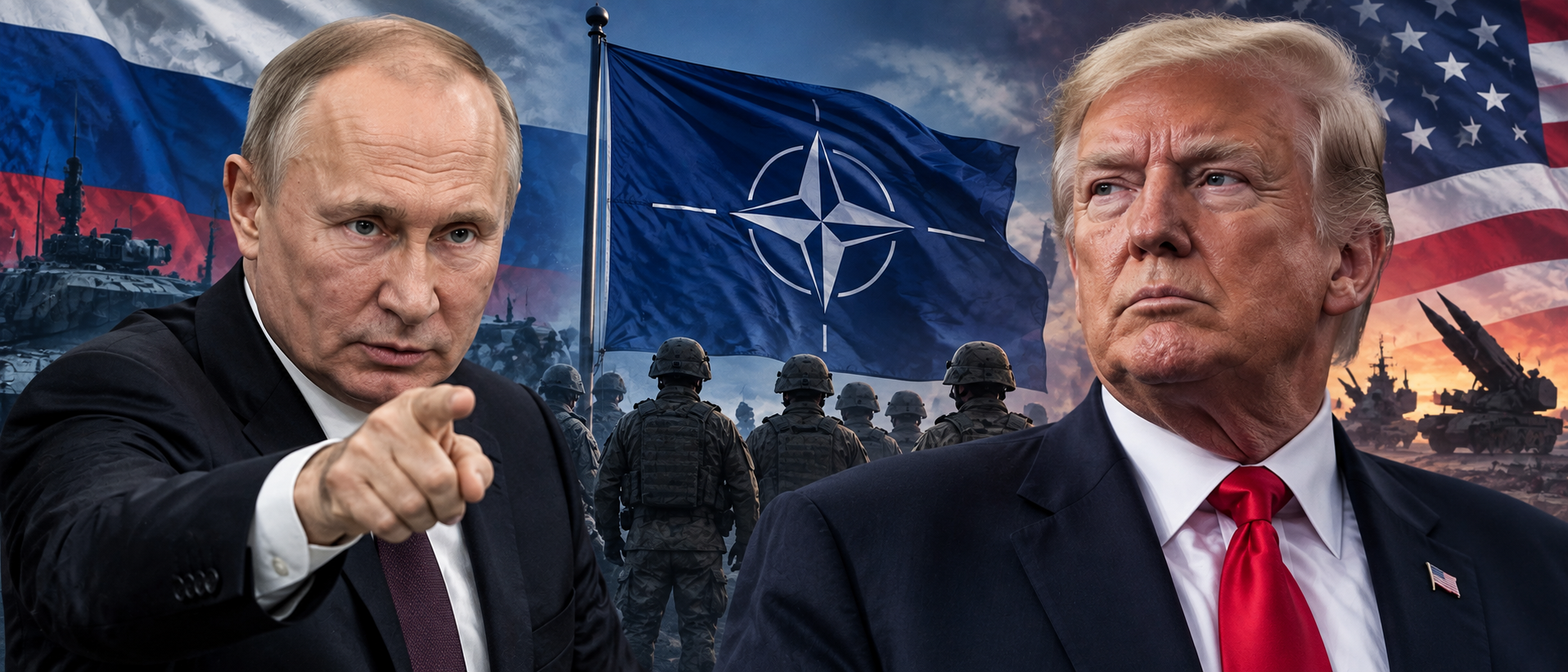
As many as four European government officials have reported confusion regarding their understanding of the situation. Although President Trump has made repeated requests to the NATO alliance for assistance in securing a very important waterway, no actual formal requests have been made for military assistance or any kind of equipment to assist in Iraq or elsewhere in the Middle East.

One of these European officials described the situation as "inconsistent" and stated that the United States has asked for military equipment from our allies to support us; that the United States has asked our allies to support their own defense; that the United States has asked for assistance with the current situation in Ukraine; and that now the United States has asked its allies for assistance to contribute towards maintaining security in the Middle East and maintaining world trade routes. He described the foreign policy that the United States has established toward its allies as "absurdly incoherent."

Impact of an Oil Supply Interruption
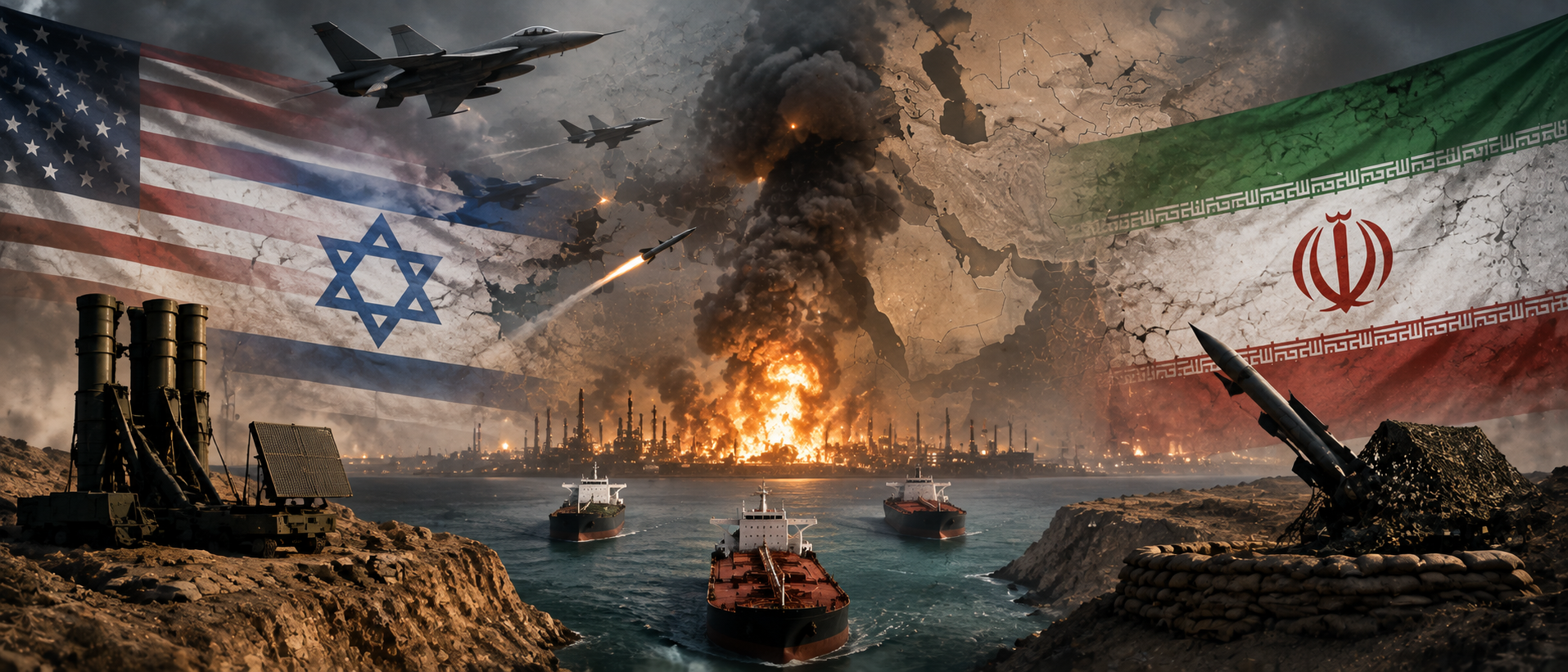
Following U.S.-Israeli air strikes on Iran on February 28, the situation has escalated significantly, resulting in an effective blockade of the Strait of Hormuz by Iran. Before this recent escalation of tensions, the Strait of Hormuz provided nearly twenty percent of the world's total oil supply, and an enormous volume of liquefied natural gas.

As a result of the blockade of the Strait of Hormuz, there has been an immediate and significant increase in the price of oil globally, which has subsequently prompted multiple governments to release hundreds of millions of barrels of their emergency oil reserves in an attempt to mitigate the potential economic impact.

Limited Support and Legal Issues
With the situation growing, the majority of NATO allies continue to avoid any kind of direct involvement, except for some limited defensive and evacuation roles. Prior experiences in Iraq and Afghanistan, as well as issues of legality surrounding the U.S.-Israeli action in Iran, make many of our allies unwilling to take further direct action.

Federal Foreign Minister for Germany Frank-Walter Steinmeier publicly condemned military action in the first place, stating that military action violates international law and casts doubt on the legitimacy of the United States' claim to have been threatened with an immediate attack.

and also France, including Germany, Italy, the Netherlands, Japan, and Great Britain, are each willing to provide some degree of support for ensuring safe navigation through the Strait of Hormuz; however, no one is willing to make any firm commitments to doing so.

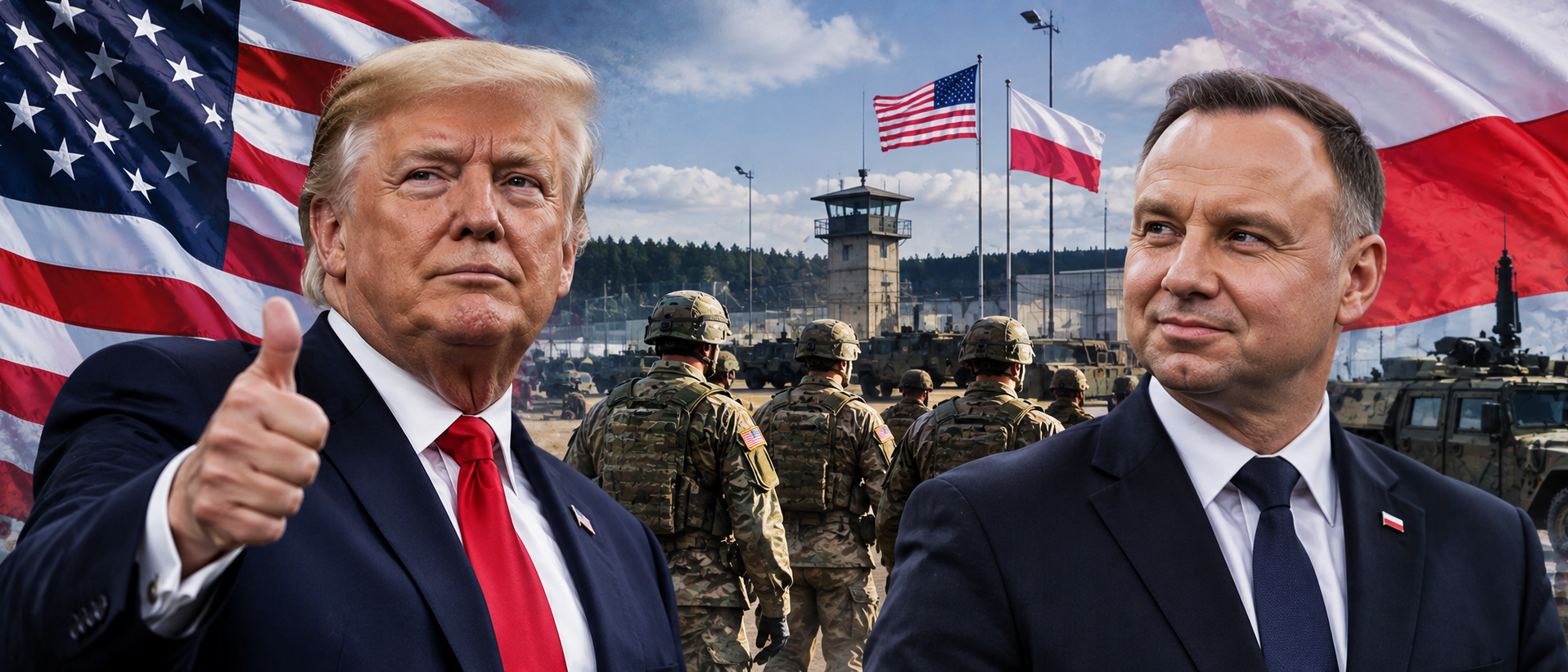
In Poland, Donald Tusk has already stated that he is opposed to sending any Polish troops, stating that the current conflict does not affect Polish national security; rather, Poland is focused on its role and responsibilities as a member of NATO, particularly regarding the Baltic Sea.

Related Posts

Ukraine Confirms Easter Weekend Ceasefire

Ukraine Confirms Easter Weekend Ceasefire

Ukraine and Russia are set to temporarily pause hostilities over the upcoming weekend in observance of Orthodox Easter. Ukrainian President Volodymyr Zelenskyy confirmed the development, stating that Kyiv is prepared to take "symmetrical steps" after Russian President Vladimir Putin issued a decree for the ceasefire.

Putin Announces Easter Ceasefire in Ukraine

Putin Announces Easter Ceasefire in Ukraine

According to Russian President Vladimir Putin, a two-day ceasefire is in place to coincide with the Orthodox Easter holiday. The ceasefire will occur between April 11 and April 12. The Russian government is hoping the authorities in Kyiv will also observe this ceasefire. Previous ceasefires have failed to establish a long-term peaceful resolution between Russia and Ukraine.

US Military Presence Near Iran to Continue

US Military Presence Near Iran to Continue

On Wednesday, U.S. President Donald Trump said the United States Military will maintain its troops, ships, and air units in and around Iran until Iran fully implements the 'real agreement.

Russia Stops Smuggling of Submarine Engine Parts

Russia Stops Smuggling of Submarine Engine Parts

According to Russia's Federal Security Service (FSB), they have prevented an illegal operation to export submarine parts from Russia. Authorities have asserted that a Russian man has been arrested in St. Petersburg and Leningrad Oblast as he prepared to export significant engine components out of the country.

Trump Announces Two-Week Iran Ceasefire

Trump Announces Two-Week Iran Ceasefire

On Tuesday, right before the 90-day ultimatum that the US declared about whether to allow shipping through the Strait of Hormuz was set to expire, Donald Trump announced that he had reached a temporary ceasefire with Iran. This ceasefire occurred after months of threats from the US to conduct significant military strikes on Iranian civilian infrastructure if Iran did not meet US conditions/demands. The agreement was reached using the services of Asim Munir (Pakistani Chief of Army) and Shehbaz Sharif (Pakistani Prime Minister).

Gulf States Consider Low-Cost Interceptor Drones

Gulf States Consider Low-Cost Interceptor Drones

Countries, including Saudi Arabia and the UAE, are exploring the use of a new and inexpensive missile defense system to combat Iranian aerial threats. They have chosen to use drone interceptors designed in Ukraine for approximately $2,500 apiece. Since both Gulf nations and the United States are running out of expensive missile defense systems as the regional conflict continues, the timing of this decision makes sense. One of the companies that will provide this service, Terra Drone, has seen a significant increase in potential Middle Eastern customers for their drone interceptors.

Advertisement

LATEST INSIGHTS

Potrzebujemy chwili Twojej uwagi

Uwielbiamy pliki cookie — zarówno te jadalne, jak i cyfrowe, które ulepszają Twoje wrażenia z przeglądania. Pomagają nam one udoskonalać funkcjonalność naszej witryny i Twoje ogólne wrażenia. Podstawowe i funkcjonalne pliki cookie są niezbędne do prawidłowego działania witryny i nie można ich wyłączyć. Ponadto używamy plików cookie w celu optymalizacji wydajności („komfort”) i wyświetlania spersonalizowanych reklam („marketing”), na co potrzebujemy Twojej zgody. Kliknij „Zezwól na wszystkie”, aby wyrazić zgodę na przetwarzanie danych. Uwielbiamy pliki cookie — zarówno te jadalne, jak i cyfrowe, które ulepszają Twoje wrażenia z przeglądania. Pomagają nam one udoskonalać funkcjonalność naszej witryny i Twoje ogólne wrażenia z przeglądania. Podstawowe i funkcjonalne pliki cookie są niezbędne do prawidłowego działania witryny i nie można ich wyłączyć. Ponadto używamy plików cookie w celu optymalizacji wydajności („komfort”) i wyświetlania spersonalizowanych reklam („marketing”), na co potrzebujemy Twojej zgody. Kliknij „Zezwól na wszystkie”, aby wyrazić zgodę na przetwarzanie danych.

Twoja zgoda obowiązuje również na mocy art. 49 (1) (a) RODO, co oznacza, że ​​Twoje dane mogą być tymczasowo przetwarzane poza EOG, w tym w USA. W takich przypadkach wysokie europejskie standardy ochrony danych mogą nie być w pełni zagwarantowane, a władze USA mogą uzyskać dostęp do Twoich danych bez skutecznego środka prawnego. Możesz wycofać swoją zgodę w dowolnym momencie.

PrywatnośćWarunki korzystania z serwisu

Możesz zarządzać swoimi preferencjami dotyczącymi plików cookie lub wycofać zgodę w dowolnym momencie za pośrednictwem naszych ustawień plików cookie. Aby uzyskać więcej informacji, zapoznaj się z naszą Polityką prywatności.