world

US-Iran Talks Disputed Amid Rising Tensions

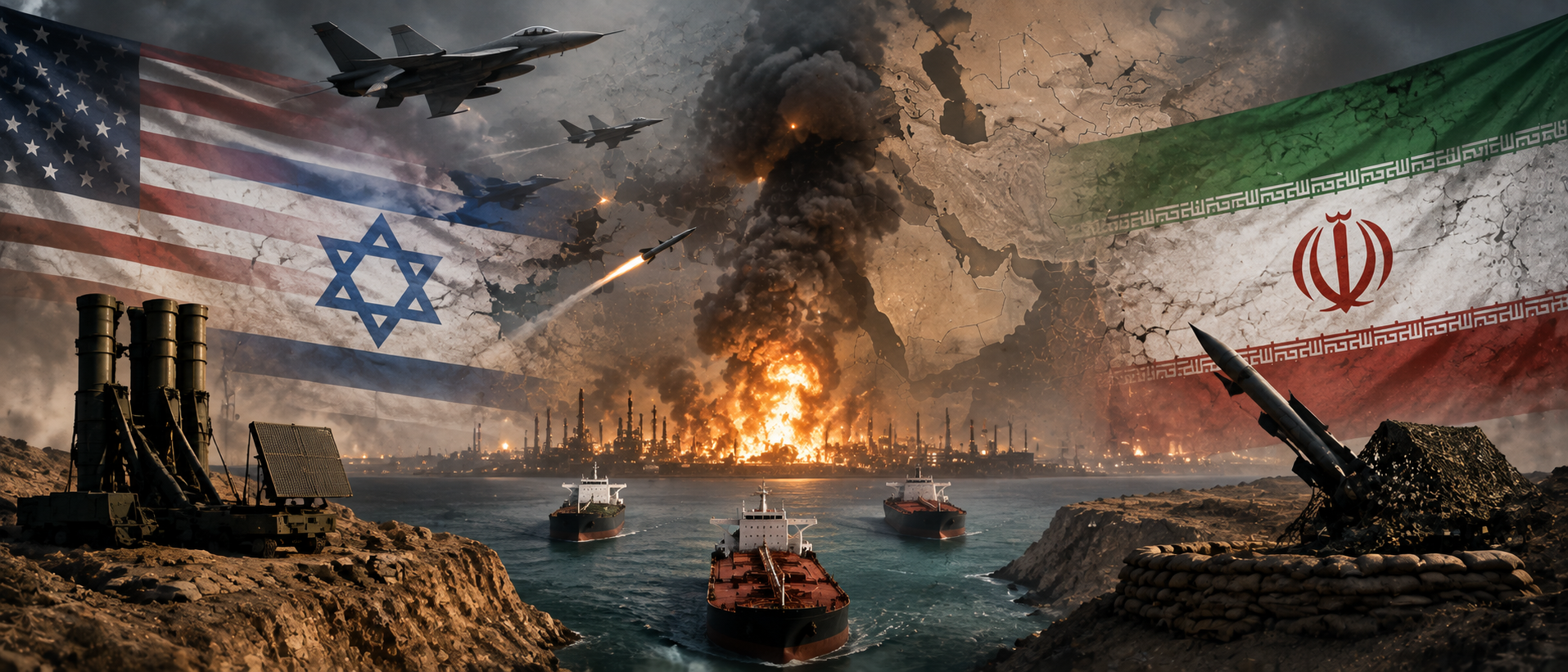
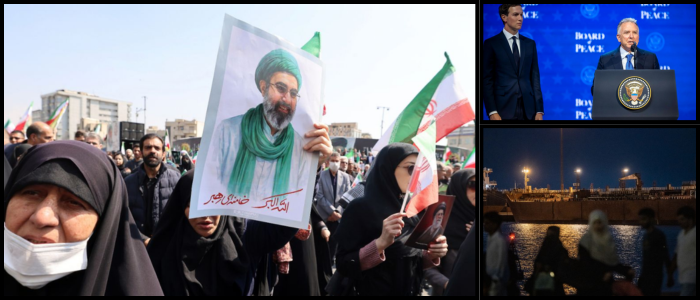
Tensions between the United States of America and Iran took a confusing twist when President Donald Trump declared that he had held constructive engagements with both parties and would put off any military action against Iran's power grid until constructive dialogue between both sides was reached. Iran rebutted Trump's assertions immediately after they were made, saying that they were political and false.

By Iwo Mazur | Last Updated: 24 Mar 2026
Conflicted Statements of Negotiations
Donald Trump claimed the United States and Iran have held "very good and productive" discussions to completely resolve differences over military operations between the United States and Iran in the Middle East, and that due to those discussions, Trump decided to postpone a military action on Iran's energy infrastructure for five days. He also prepared the American public for further discussion about the quantity of ongoing meetings between his Special Envoy to the Middle East, Steve Witkoff, and a member of the Iranian leadership by promoting his son-in-law, Jared Kushner, who had also engaged in multiple discussions with senior Iranian leadership as well. According to Trump, the negotiations resulted in "almost all points of agreement" and that there is a very good chance of achieving a mutually beneficial outcome for all parties.

While President Trump provided some assurance regarding the conclusion of a successful negotiation at this time, he did not identify the senior Iranian official involved in any discussions but stated that this person was well-regarded and had plenty of respect and influence. While there are still many points of uncertainty surrounding ongoing negotiations, all parties appear to have a good chance of maintaining communications and working out a suitable agreement.

Iran Denies 'Fake' Narrative
Iran has strongly denied that any direct negotiations took place between the United States. Speaker of Iran's Parliament Mohammad Baqer Qalibaf labelled Trump's statement as "fake news" and accused the United States of seeking to manipulate the world's economy, including financial and oil markets. He specifically stated that there were no talks of any kind taking place between the two countries and continued to demand accountability for those involved in the aggression.

At the same time, Iran's Revolutionary Guards announced new attacks against the United States and characterized Trump's statements as psychological warfare tactics. The Iranian Revolutionary Guards made it clear that they will not change their military resolve, nor will their resolve be weakened by any statements made by President Trump.

Although there still is no official confirmation from either side directly confirming whether or not there have been any direct talks, there is good reason to believe there still are indirect means of coming together for future direct dialogues. Some countries, apparently, are serving in an intermediary capacity, such as Pakistan, Egypt and some of the Gulf states. They are in the process of achieving an understanding for potential discussions to be held in Pakistan, involving US Vice President JD Vance, along with Witkoff and Kushner, while Pakistan continues to forward messages between the two parties.

Market Reaction to the Strained Situation
The initial response from global markets to President Trump's decision to delay military operations against Iran was significant after an initial volatile weekend of threats. Global equity markets rebounded after President Trump decided to postpone military operations, and oil prices dropped sharply from the weekend, with Brent crude oil dropping nearly 8% to approximately $103 per barrel.

The developments surrounding US-Iran military operations in the region continue to be tense largely because Iran has effectively shut down the Strait of Hormuz, which is one of the most strategic shipping lanes in the world and used to transport over one-fifth of the entire world's supply of oil and liquefied natural gas. Iran has stated publicly that it will not reopen the Strait of Hormuz until all hostilities by the United States and/or Israel come to an end.

More than two thousand people have died as a result of the recent conflict that began on February 28; although there have been some indications of continuing diplomatic solutions through intermediaries, the overall environment has been very volatile in terms of both political and economic activity.

Related Posts

Pilot Killed as Firefighting Plane Crashes in Poland Wildfire

Pilot Killed as Firefighting Plane Crashes in Poland Wildfire

A devastating wildfire raging through southeastern Poland has claimed an unexpected and heartbreaking toll — the life of a pilot whose firefighting aircraft came down during active operations. The crash occurred near the village of Kozaki in the Lublin region, where emergency crews had already been stretched thin battling one of the most serious forest fires the area has seen in recent memory.

Trump Pauses Hormuz Escort Mission Amid Iran Deal Progress

Trump Pauses Hormuz Escort Mission Amid Iran Deal Progress

A sudden shift in tone from Washington has offered a brief but cautious moment of hope in what has been one of the most destabilizing conflicts the Middle East has seen in years. President Donald Trump announced on Tuesday that he was temporarily pausing a U.S. operation to escort commercial ships through the Strait of Hormuz, saying that meaningful progress was being made toward finalizing a comprehensive agreement with Iran.

Hantavirus Kills Three Passengers on Atlantic Cruise Ship

Hantavirus Kills Three Passengers on Atlantic Cruise Ship

A rare and dangerous viral outbreak has turned a transatlantic cruise into a medical emergency. Three passengers have died, and one remains in intensive care in South Africa after a hantavirus outbreak was confirmed aboard the MV Hondius, a cruise ship traveling from Argentina to the Cape Verde Islands off the western coast of Africa. Polish authorities have confirmed that all their nationals on board are safe and unharmed.

US Navy Sinks Iranian Boats, Intercepts Missiles in Hormuz Operation

US Navy Sinks Iranian Boats, Intercepts Missiles in Hormuz Operation

The Strait of Hormuz is at the center of a sharp military confrontation. The United States military confirmed it destroyed six Iranian small boats and intercepted Iranian cruise missiles and drones on Monday, as Washington pushed forward with a bold new naval operation aimed at reopening one of the world's most critical shipping lanes. The move marks a significant escalation in tensions between the two countries over control of the strategic waterway.

Trump Moves to Free Ships Stuck in Strait of Hormuz

Trump Moves to Free Ships Stuck in Strait of Hormuz

The Strait of Hormuz has become one of the world's most tense flashpoints, and now the United States is stepping directly into the middle of it. President Donald Trump announced that America would begin escorting stranded commercial vessels safely out of the Gulf waterway — a move that comes as hundreds of ships and roughly 20,000 seafarers remain stuck, some running dangerously low on food and basic supplies. Almost immediately after that announcement, a tanker in the strait reported being struck by unknown projectiles, raising the stakes even further.

Experts Warn Putin Is Using Ceasefire Talk to Stall, Not Settle

Experts Warn Putin Is Using Ceasefire Talk to Stall, Not Settle

As diplomatic chatter around a potential Ukraine ceasefire grows louder, at least one prominent security analyst is urging Washington to keep its guard up. Ivana Stradner, a research fellow at the Foundation for Defense of Democracies and a specialist in Russian security strategy and information operations, believes Vladimir Putin is not genuinely pursuing peace. Instead, she argues, the Russian president is leveraging ceasefire language to buy time on the battlefield while simultaneously positioning himself as an indispensable global power broker — on Ukraine and beyond.

Advertisement

LATEST INSIGHTS

Potrzebujemy chwili Twojej uwagi

Uwielbiamy pliki cookie — zarówno te jadalne, jak i cyfrowe, które ulepszają Twoje wrażenia z przeglądania. Pomagają nam one udoskonalać funkcjonalność naszej witryny i Twoje ogólne wrażenia. Podstawowe i funkcjonalne pliki cookie są niezbędne do prawidłowego działania witryny i nie można ich wyłączyć. Ponadto używamy plików cookie w celu optymalizacji wydajności („komfort”) i wyświetlania spersonalizowanych reklam („marketing”), na co potrzebujemy Twojej zgody. Kliknij „Zezwól na wszystkie”, aby wyrazić zgodę na przetwarzanie danych. Uwielbiamy pliki cookie — zarówno te jadalne, jak i cyfrowe, które ulepszają Twoje wrażenia z przeglądania. Pomagają nam one udoskonalać funkcjonalność naszej witryny i Twoje ogólne wrażenia z przeglądania. Podstawowe i funkcjonalne pliki cookie są niezbędne do prawidłowego działania witryny i nie można ich wyłączyć. Ponadto używamy plików cookie w celu optymalizacji wydajności („komfort”) i wyświetlania spersonalizowanych reklam („marketing”), na co potrzebujemy Twojej zgody. Kliknij „Zezwól na wszystkie”, aby wyrazić zgodę na przetwarzanie danych.

Twoja zgoda obowiązuje również na mocy art. 49 (1) (a) RODO, co oznacza, że ​​Twoje dane mogą być tymczasowo przetwarzane poza EOG, w tym w USA. W takich przypadkach wysokie europejskie standardy ochrony danych mogą nie być w pełni zagwarantowane, a władze USA mogą uzyskać dostęp do Twoich danych bez skutecznego środka prawnego. Możesz wycofać swoją zgodę w dowolnym momencie.

PrywatnośćWarunki korzystania z serwisu

Możesz zarządzać swoimi preferencjami dotyczącymi plików cookie lub wycofać zgodę w dowolnym momencie za pośrednictwem naszych ustawień plików cookie. Aby uzyskać więcej informacji, zapoznaj się z naszą Polityką prywatności.